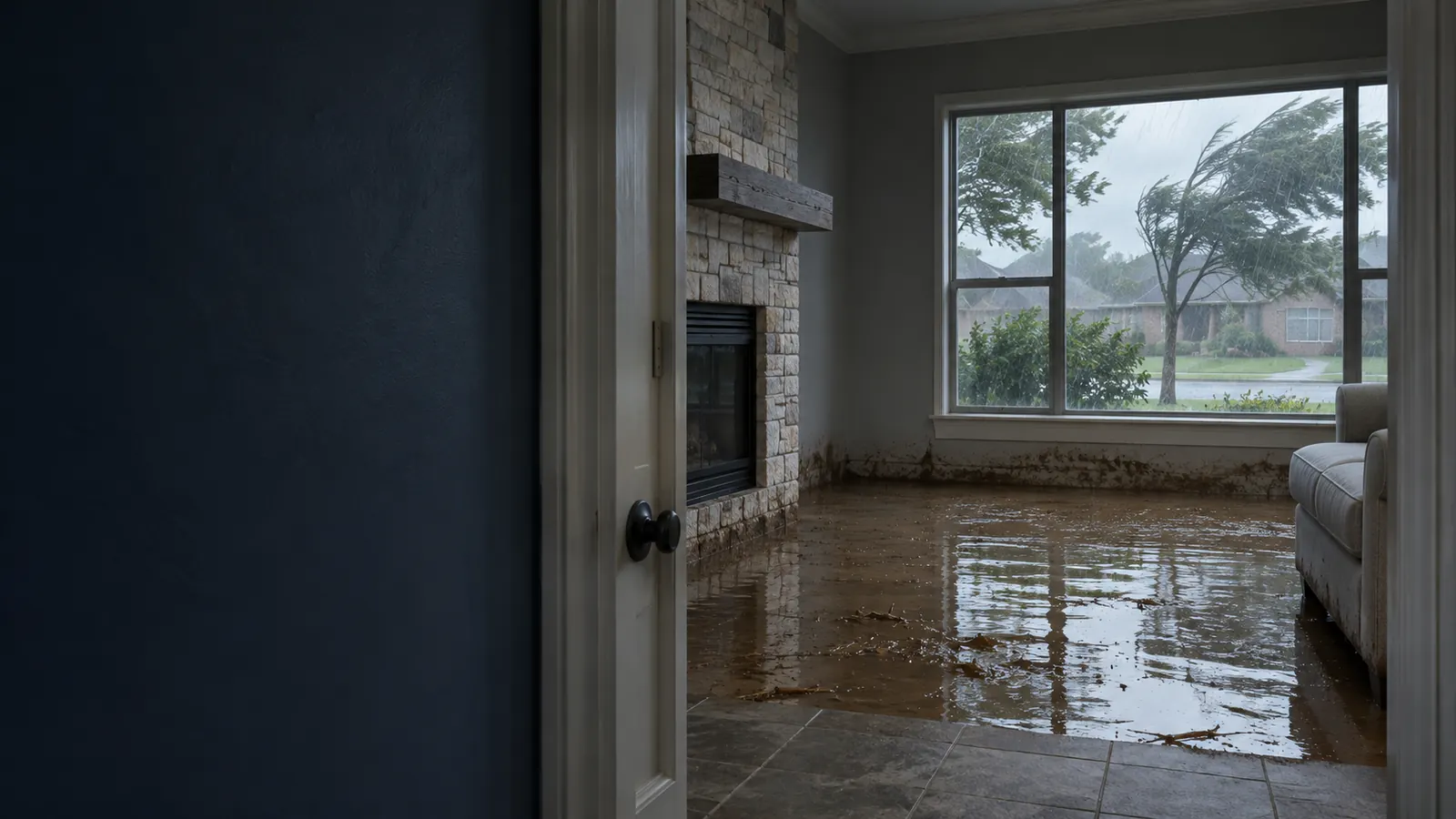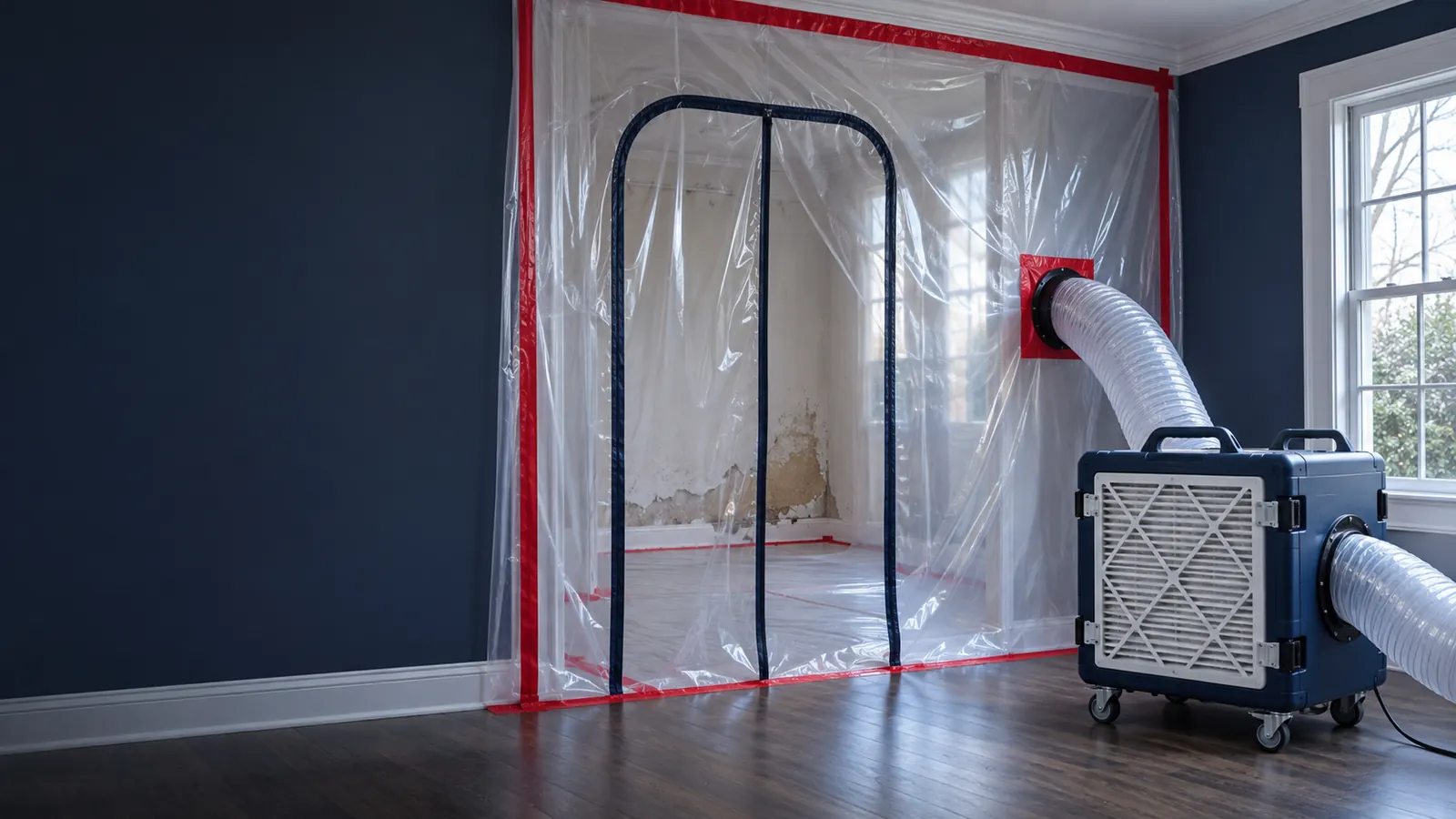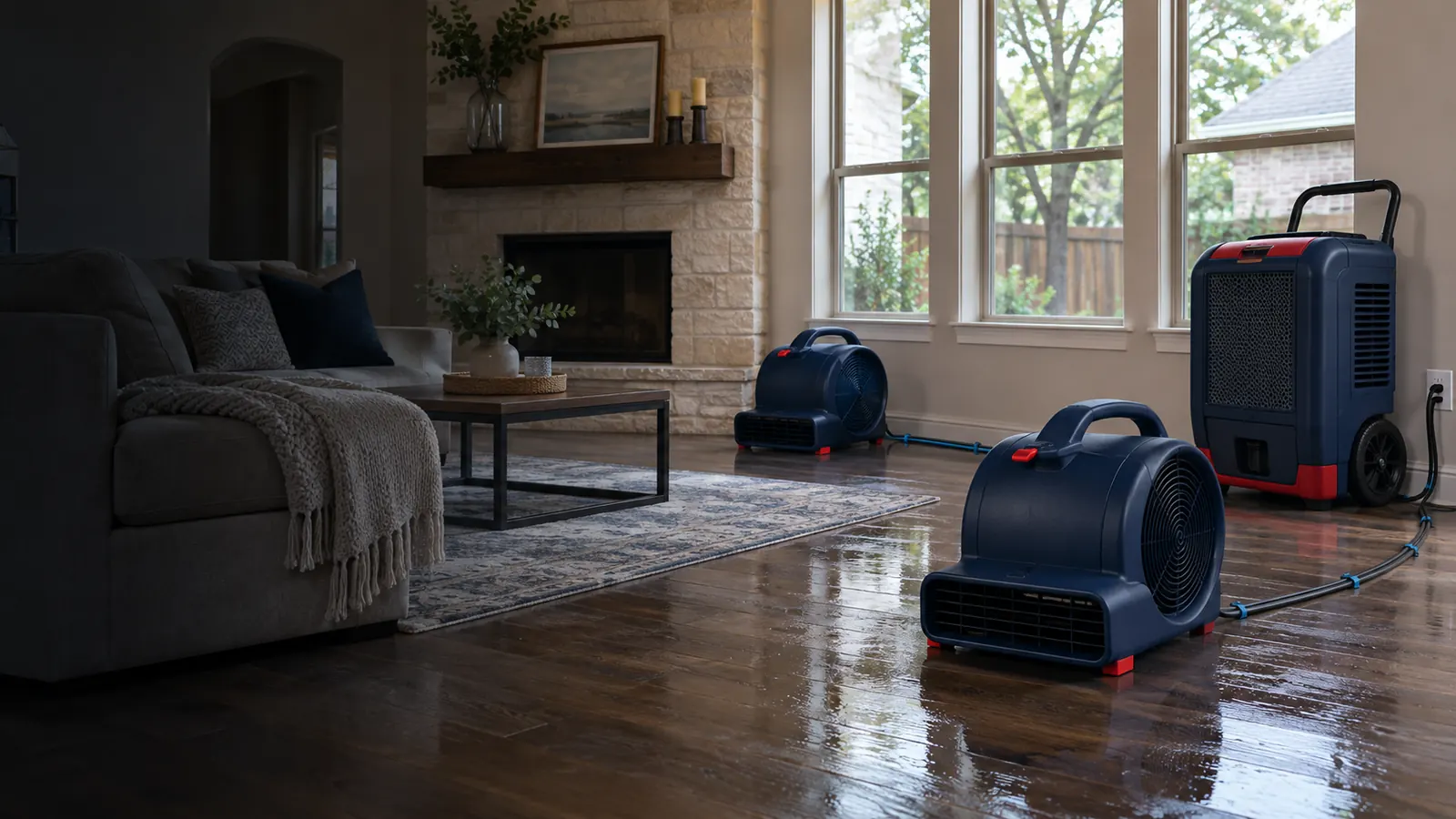
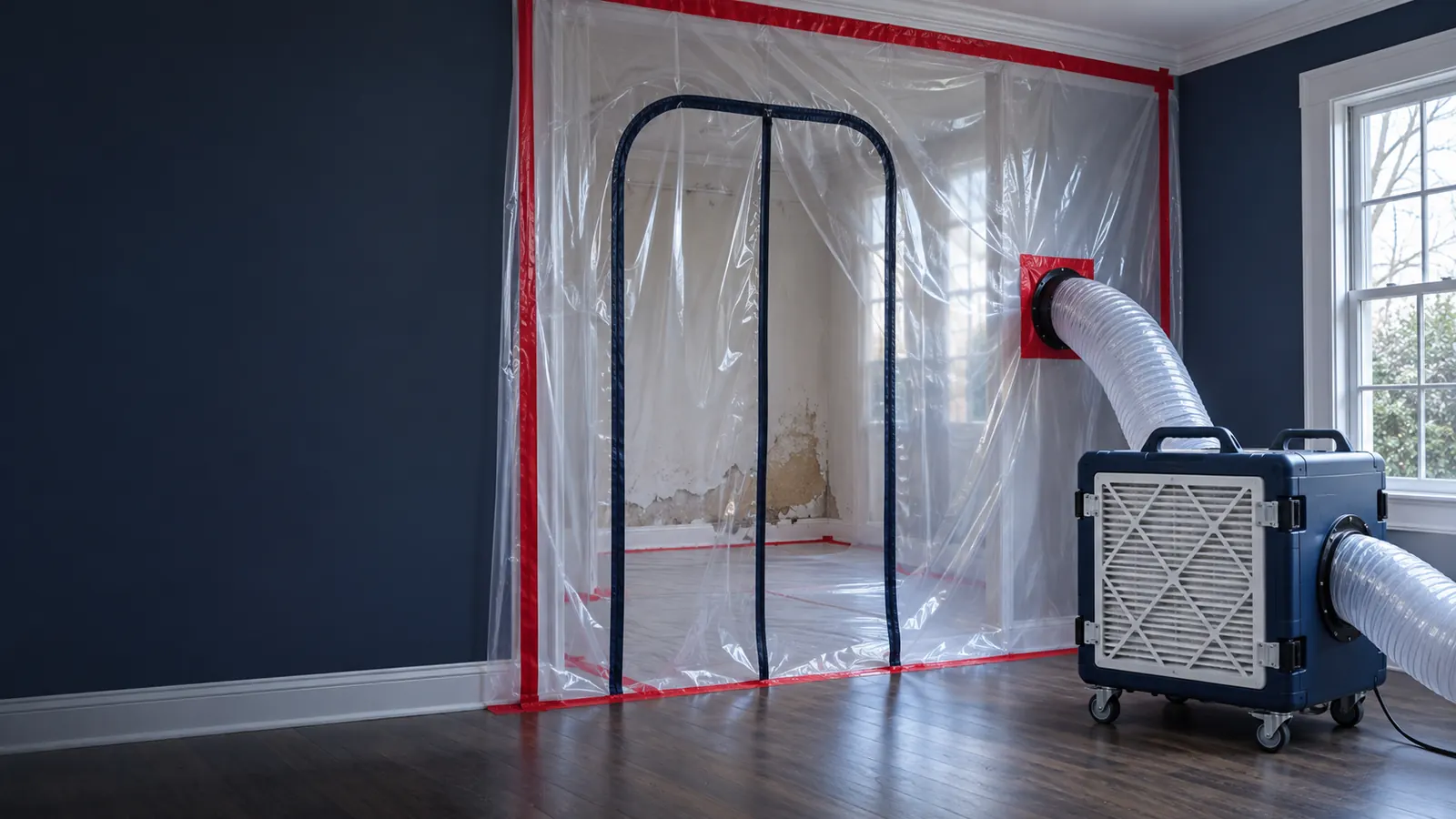
A flooded crawlspace needs a source and safety assessment before anyone enters or starts removing water. Plumbing leaks, exterior runoff and other moisture conditions require different corrections. Cleanup, drying and evaluation of a raised-floor support system are separate decisions; visible water does not establish that the piers or beams need repair.
Keep the access opening closed to casual entry
An underfloor space can hide wet electrical equipment, contaminated water, damaged materials and unstable supports. Keep children, pets and other occupants out. Report the water level and visible conditions from a safe location outside the opening. Do not crawl beneath the house or lean into standing water to retrieve an item or take a closer photograph.
CDC’s disaster re-entry guidance emphasizes professional safety checks where damage may affect a home. An all-clear for the neighborhood does not establish that the space beneath a particular house is safe. If a floor above the area feels unstable or supports appear displaced, keep away from that part of the building and arrange an appropriate safety assessment.
Reference: CDC: Returning Home After a Natural Disaster
Describe the timing before choosing a repair trade
Ask whether water appeared during rain, after use of a fixture or while the supply system was operating normally. Note irrigation, roof-water discharge, drainage changes and any known plumbing work. Those details help decide which professionals should investigate. They do not establish that the nearest pipe, drain or outside puddle is the source.
A plumber should evaluate suspected plumbing faults. Recurring rain-related entry may require a separate exterior drainage review. The restoration provider needs to know whether the source is active and whether contamination is possible. Do not label the water clean because it looks clear, or assume that the same response fits a supply-line release and outside floodwater.
Reference: CDC: Floodwater Safety
Plan water removal as part of a complete recovery scope
Discuss access and site conditions before attempting removal. Our emergency water extraction service is a starting point for explaining the water loss and arranging an assessment, not an instruction to enter a flooded enclosure. Ask how the provider will manage safe access, affected utilities, contamination and disposal.
Where outside water is still high or structural conditions are uncertain, removal decisions need site-specific professional direction. Simply putting a pump or fan into an opening does not resolve those questions. Keep the area secured and ask what must be established before equipment can be operated safely. Avoid extending a household electrical lead across wet ground.
Ask about wood, insulation and continuing moisture
After source control and safe access, ask which materials were wet and what the assessment found about accessible framing, insulation, ducts and the underside of the floor. Do not assume that a space with no standing water is dry, or that a musty smell proves a particular type of contamination or wood damage.
EPA’s mold guidance connects effective cleanup with fixing the moisture problem. Our mold remediation information explains why that moisture question remains important. If materials need removal or specialist assessment, request the reasons and boundaries in writing. An odor treatment alone should not be mistaken for source correction or documented drying.
Reference: EPA: Mold, Moisture and Your Home
Restore insulation only after moisture work is complete
Waterlogged or contaminated underfloor insulation needs its own material assessment. Ask what was wetted, what needs removal and how the adjacent wood will be assessed. New insulation should not conceal an unresolved plumbing leak, wet framing or a contamination issue. The absence of standing water does not, by itself, clear the assembly for replacement.
Once the earlier work is complete, TX Foam Pros discusses crawlspace insulation planning. Confirm whether the proposal concerns the underside of the floor or a different enclosure boundary, and how ground moisture, access and applicable inspection requirements fit the design. An insulation proposal is not a foundation repair or a substitute for moisture-source correction.
The water-damaged insulation guide explains removal and replacement questions. If foam is proposed, read about spray foam’s moisture-control limits before treating it as a remedy for the water that flooded the space.
Reference: Mississippi State University Extension: Flood-Damaged Walls and Insulation
Keep raised-floor support work separate from water removal
In a pier-and-beam home, the visible floor and its supporting system need different observations from the water-removal equipment plan. Changing floor levels, damaged wood or apparent support displacement should be interpreted by the relevant qualified professional. Do not adjust shims, jack a beam or replace supports as a homeowner response to finding water.
TX Foundation Pros discusses pier and beam support concerns that can be evaluated separately from cleanup. Ask whether a proposed visit covers accessible piers, beams, joists and moisture observations, what cannot be seen, and when independent structural advice is warranted. An underfloor inspection should identify access limits rather than imply every support was examined.
Reference: LSU AgCenter: Determining Structural Damage
Make the handoff specific before reopening the area
Keep separate records for the source repair, restoration findings and any support-system recommendations. Ask who will verify affected utilities, whether insulation or duct work needs follow-up and what observations would trigger another visit. Homeowners should not have to infer from an empty crawlspace that every component beneath the floor has been cleared.
For related exterior questions, read standing water around the house after rain. Before approving enclosure changes, drainage alterations or reconstruction, confirm which problem each measure addresses. Keep access controlled until the appropriate providers have explained the remaining conditions and next steps.
Your homeowner checklist
- Keep people and pets out of the underfloor space.
- Describe rainfall, plumbing and irrigation timing from a safe location.
- Arrange source, utility, contamination and access assessment before removal.
- Request findings about wet materials separately from support-system recommendations.
- Retain source-repair, drying and structural records in one project folder.
Questions homeowners ask
Can I crawl in to find the leak before calling?
Do not enter a flooded or otherwise unsafe crawlspace. Provide observations from a safe exterior position and arrange the appropriate assessment of utilities, access and the suspected source.
Does water under the house mean the beams are damaged?
Not necessarily. A professional must assess material condition and support observations. Water presence, wet wood, decay and structural capacity are different questions.
Will a foundation inspection also handle mold and drying?
Do not assume so. Foundation, plumbing and restoration providers should identify their separate services and exclusions in writing. Moisture and contamination work may require different professionals from support-system assessment.
General homeowner information, informed by the linked public guidance. On-site conditions, local authorities and the appropriate qualified professionals determine what is safe for your property.
More mold & moisture resources