Spray foam can be part of an insulation and air-control assembly, but it is not a remedy for active leaks, trapped moisture or contaminated materials. Product choice, installation conditions and the building design determine what it can do. Investigate the water source and complete necessary restoration before considering foam as part of a replacement or improvement project.
Separate four moisture-management questions
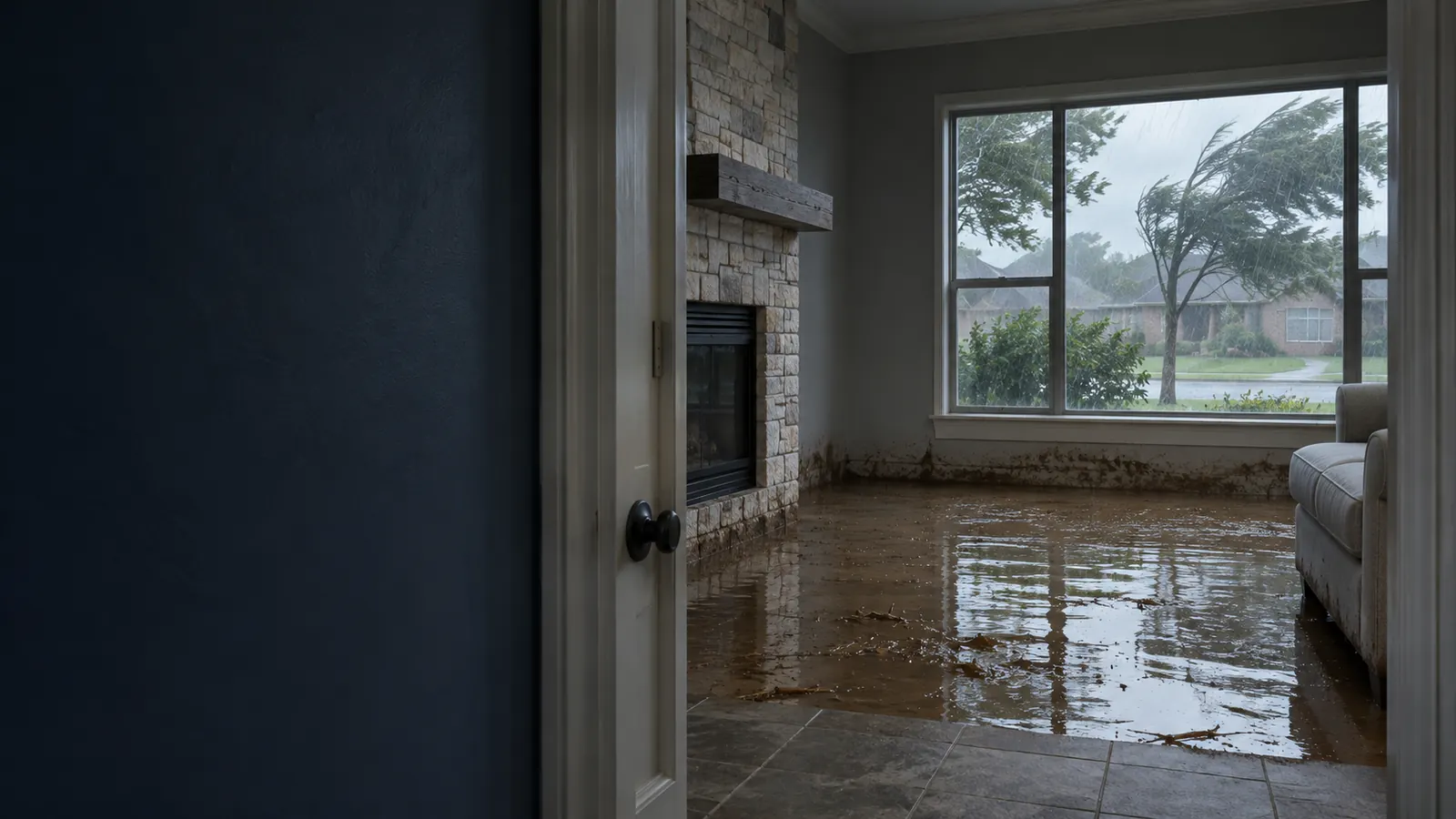
Rain or plumbing water entering the building is a source-control problem. Moist air moving through gaps is an air-leakage question. Vapor movement through materials is a separate property of the assembly. Indoor humidity also depends on moisture sources and the building’s operation. A proposal should say which of these questions it addresses instead of using the broad word waterproof.
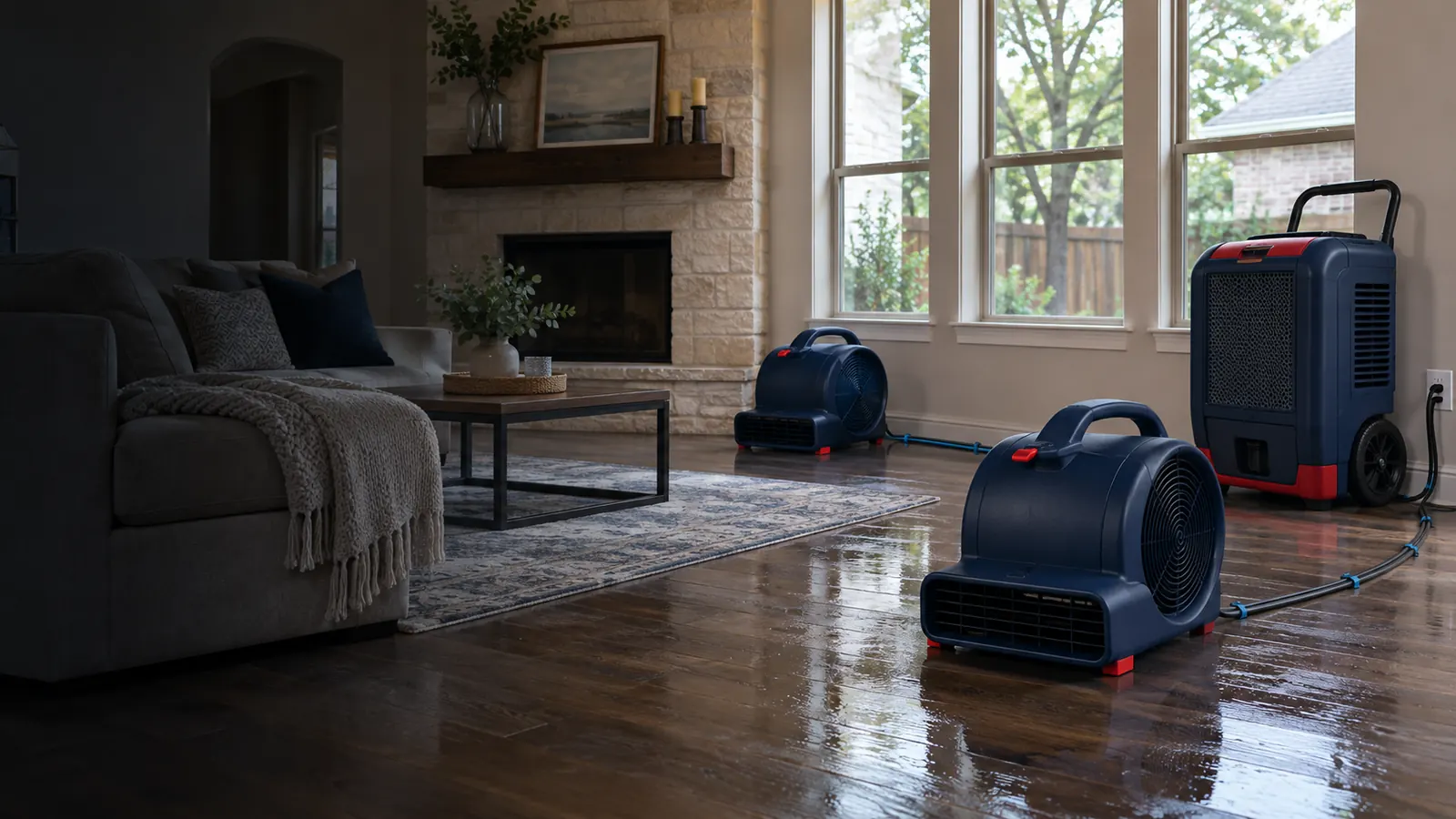
If the house is already wet, begin with water damage restoration and the appropriate source repair. An insulation product description cannot determine the condition of a concealed cavity or establish that an affected room is ready to close. Keep the immediate loss response separate from the later choice of replacement insulation.
Do not confuse air control with a universal vapor barrier
Open-cell and closed-cell spray foams have different product properties, and required installation thickness matters. Building America distinguishes insulation and air sealing from the additional vapor-control characteristics some products provide. The label spray foam alone does not establish vapor resistance, an approved use or suitability for an existing wet assembly.
Ask for the actual product, technical data and proposed assembly, including the direction in which affected materials can dry. Do not choose solely by a claim that one cell type is always better. A material that limits vapor movement in one location may be inappropriate when another layer or a continuing moisture source changes the assembly’s drying behavior.
Reference: Building America: Insulation Installation Quality
Correct leaks and assess materials before covering them
A roof leak, leaking pipe or wet crawlspace needs its own investigation. Covering a surface does not repair the source or prove that wood behind it is dry. The installer should verify suitable substrate conditions against product requirements, using the restoration and source-repair findings where relevant.
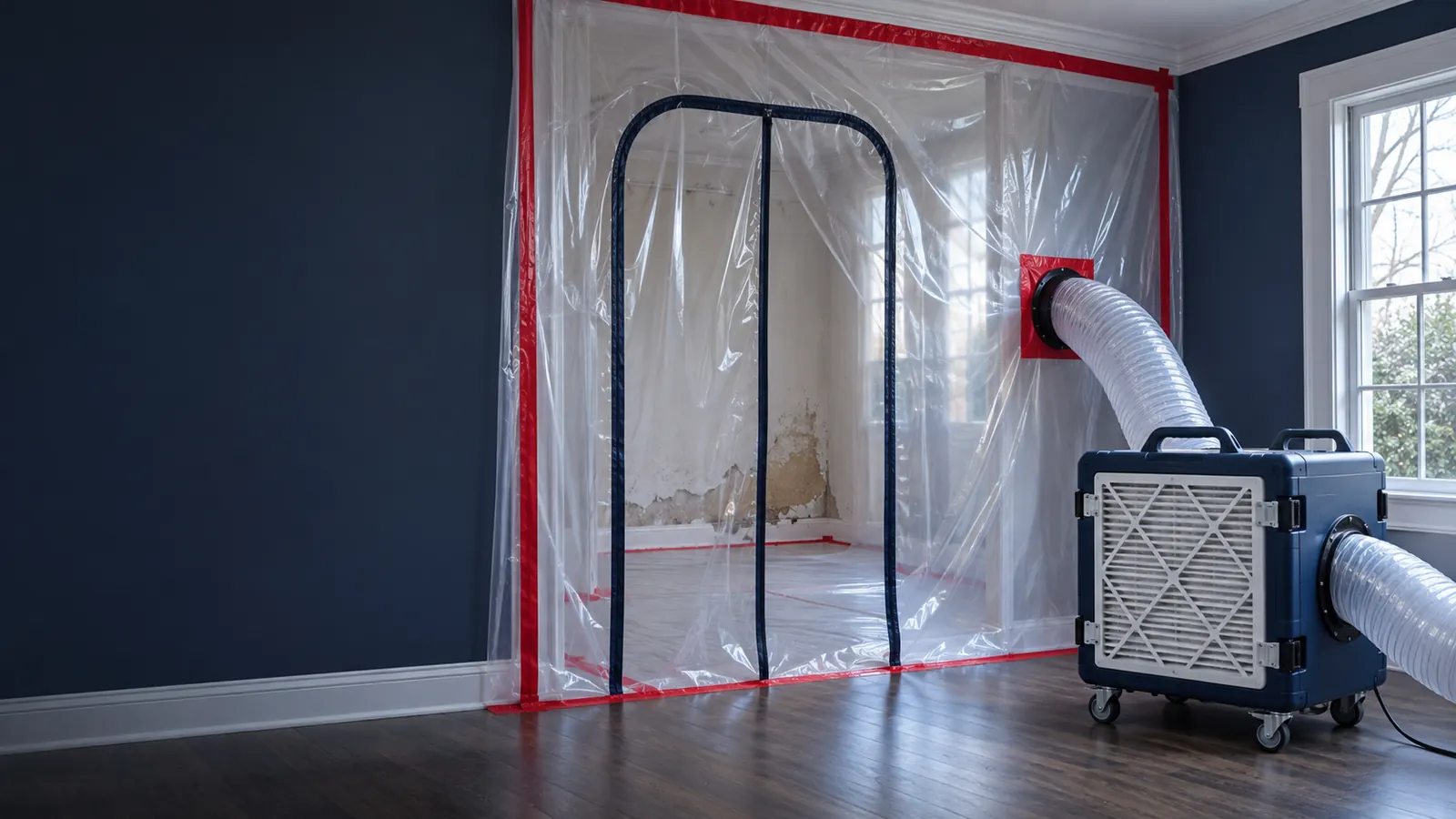
Contamination or damaged insulation may need removal or a separate remediation scope. Foam is not mold remediation, and a coating over a stained surface is not a cleanup record. The insulation replacement guide and mold remediation information explain the earlier material and moisture decisions.
Reference: EPA: Mold, Moisture and Your Home
Keep ventilation and assembly changes in the design
A tighter enclosure still needs an appropriate plan for ventilation, indoor moisture and equipment. Moving the insulation boundary from the attic floor to the roof deck is a design change, not just a different place to apply a product. Roof moisture behavior, combustion equipment and the treatment of existing vents belong in that decision.
Building America’s unvented-attic guidance discusses conditioning and moisture management alongside insulation. That does not make an unvented assembly the right retrofit for every house. If the project follows roof water damage, the wet attic insulation guide explains the repair-to-replacement handoff before a new attic design is considered.
Reference: Building America: Unvented Conditioned Attic with Spray Foam Below Roof Deck
Discuss product suitability after the moisture investigation
Prepare a short set of project findings: the original water source, how it was repaired, which materials were removed or retained and what the moisture assessment found. Ask a prospective installer what additional checks it needs before work, what coverage is proposed and how the completed system will be documented.
TX Foam Pros explains spray foam suitability and assembly options. Use that reference to compare scope and product questions, not as a substitute for the earlier investigation. Ask which exclusions remain for leak repair, remediation, substrate repairs and humidity-control equipment, and keep responsibility for those tasks explicit.
Plan installation safety and the return to the space
EPA’s contractor–client checklist calls for discussing the product, application conditions, isolation, ventilation and safe reoccupancy before professional spray foam work. Product instructions and the actual job conditions matter; do not assume that a single elapsed-time rule clears every installation for occupants or other trades.
Ask who communicates access restrictions and the return plan, and retain the manufacturer information and installation record. Also confirm required thermal or ignition protection, clearances, local permit requirements and inspection responsibilities for the proposed assembly. A statement that a product is approved does not establish that every exposed application or building use meets the applicable requirements.
Reference: EPA: Contractor–Client Checklist for Professional Spray Foam Installation · Building America: Unvented Conditioned Attic with Spray Foam Below Roof Deck
Your homeowner checklist
- Identify the moisture source before selecting insulation.
- Ask separately about bulk water, air leakage, vapor behavior and humidity.
- Do not cover wet, contaminated or otherwise unsuitable materials.
- Confirm ventilation, product instructions and installation conditions.
- Get the access, reoccupancy and code-compliance plan before application.
Questions homeowners ask
Can foam seal in mold so it is no longer a problem?
Do not use foam as a substitute for investigating moisture and arranging appropriate remediation. Concealing affected material does not correct the source or document cleanup.
Is closed-cell foam the same as waterproofing?
No. A product’s water or vapor properties do not make it a universal repair for roof leaks, groundwater or plumbing faults. Suitability depends on the specified product and assembly.
Can I return as soon as the foam looks cured?
Appearance alone is not the return criterion. Obtain the product-specific ventilation, cleanup and reoccupancy instructions from the responsible installer before the work begins.
General homeowner information, informed by the linked public guidance. On-site conditions, local authorities and the appropriate qualified professionals determine what is safe for your property.
More mold & moisture resources