Yes. Moisture from leaks or flooding can create conditions that support indoor mold growth. Prompt source correction and drying reduce that risk, but neither a room smell nor a stain color can establish the full condition of a building. Focus on the water problem and seek appropriate assessment when growth is visible, extensive or concealed.
Start with the moisture history
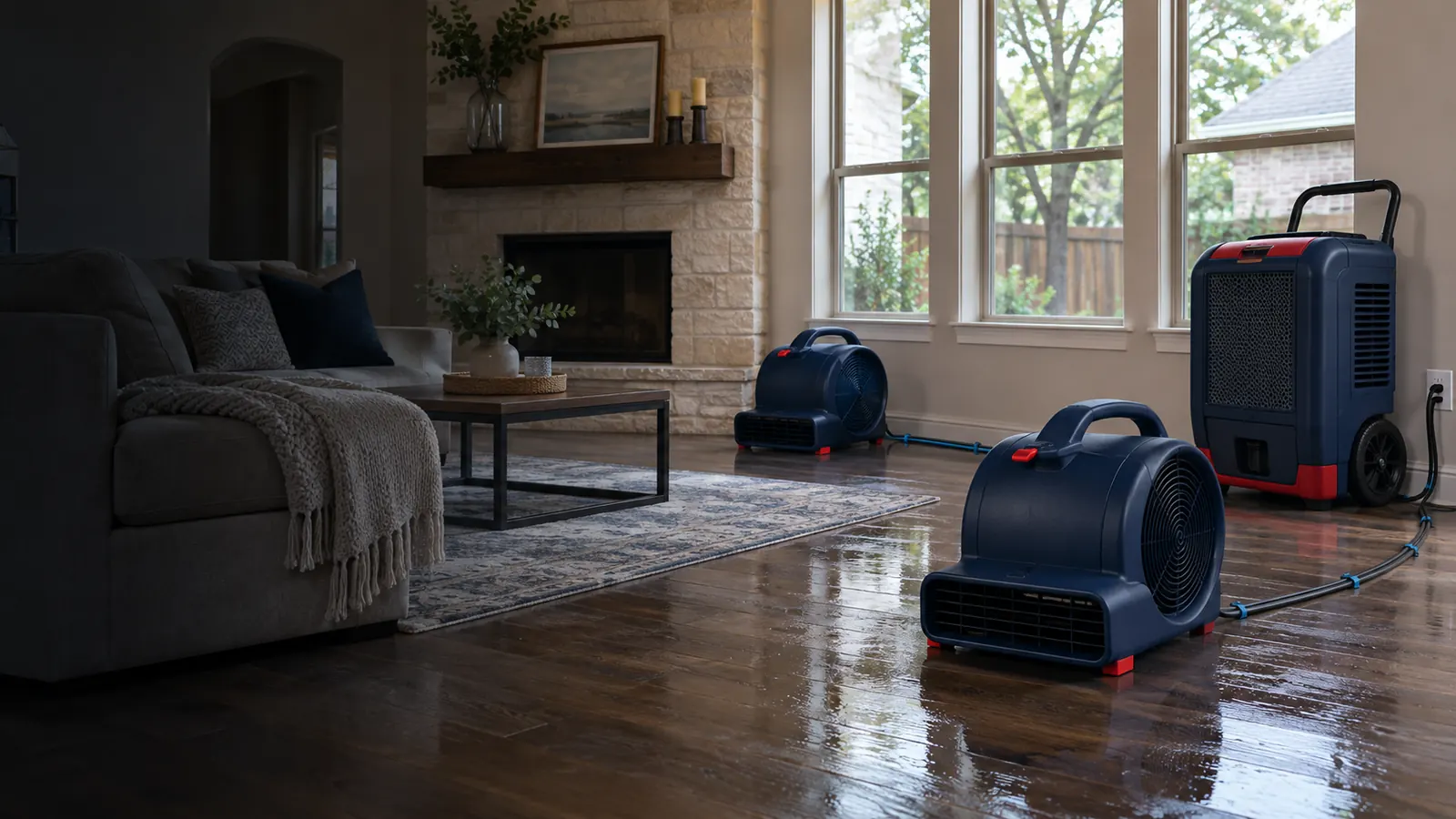
Write down when the leak was discovered, what became wet and whether the source has been repaired. Repeated small leaks and high indoor humidity can matter as much as a single obvious spill. A cabinet or wall cavity may remain damp even when the room looks tidy.
EPA guidance emphasizes fixing water problems and addressing wet materials promptly. Its 24–48 hour prevention guidance is not a countdown after which every house has the same condition. Avoid using a timeline alone to diagnose growth or to dismiss a persistent moisture problem.
Reference: EPA: Mold, Moisture and Your Home
Treat odor and discoloration as reasons to investigate
A musty smell, recurrent damp spot or visible growth can justify an inspection, but none identifies the full extent on its own. Do not cut open a wall or disturb a suspicious patch just to see what is behind it. Ask how the area can be evaluated without spreading material into occupied rooms.
If an HVAC system may be affected, ask an appropriate professional before operating it. People with health concerns should speak with a qualified clinician about exposure questions. A restoration website cannot diagnose symptoms or decide whether a particular person should remain in the building.
Reference: EPA: Flooded Homes Cleanup Guidance
Match the response to the actual condition
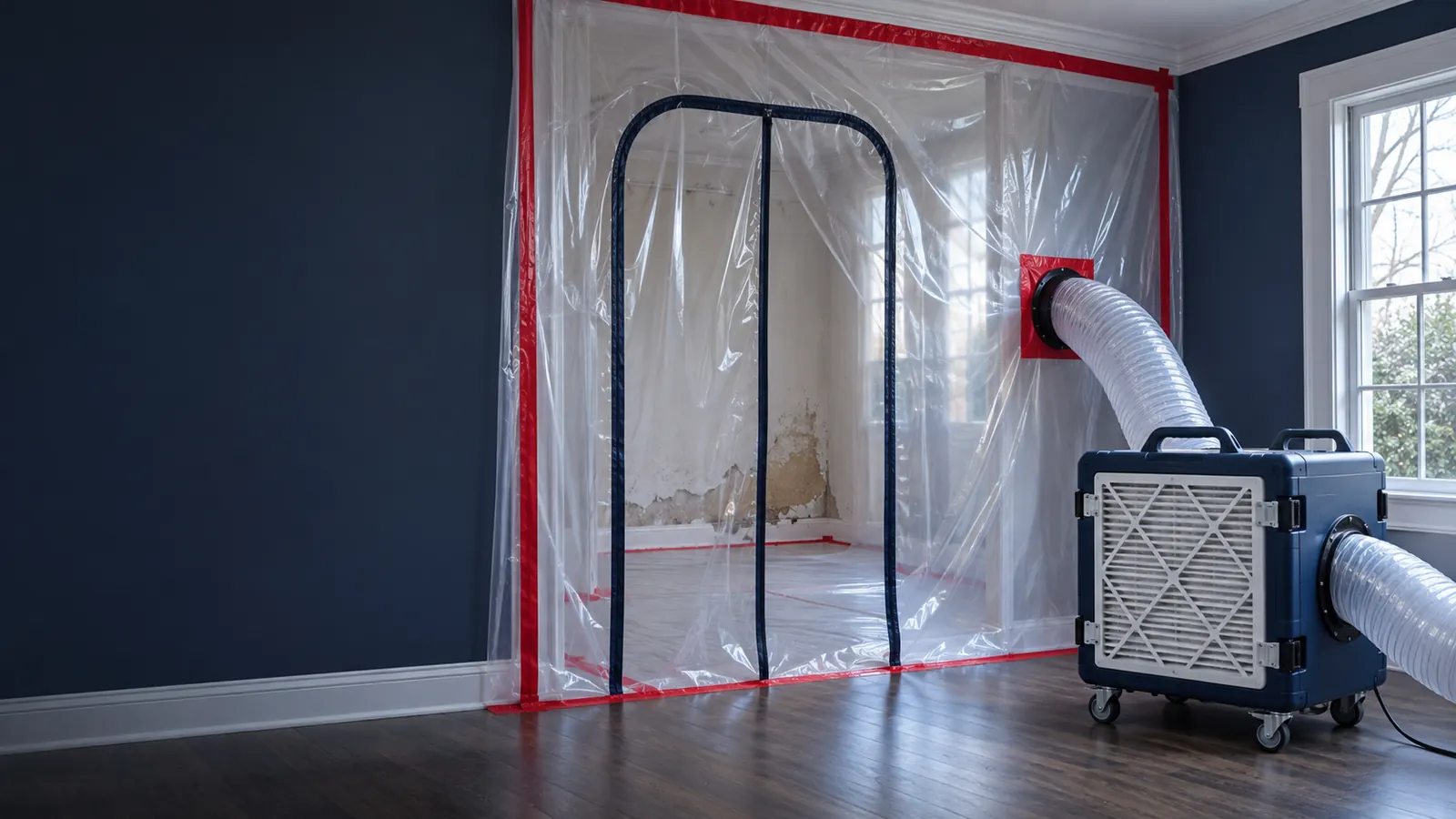
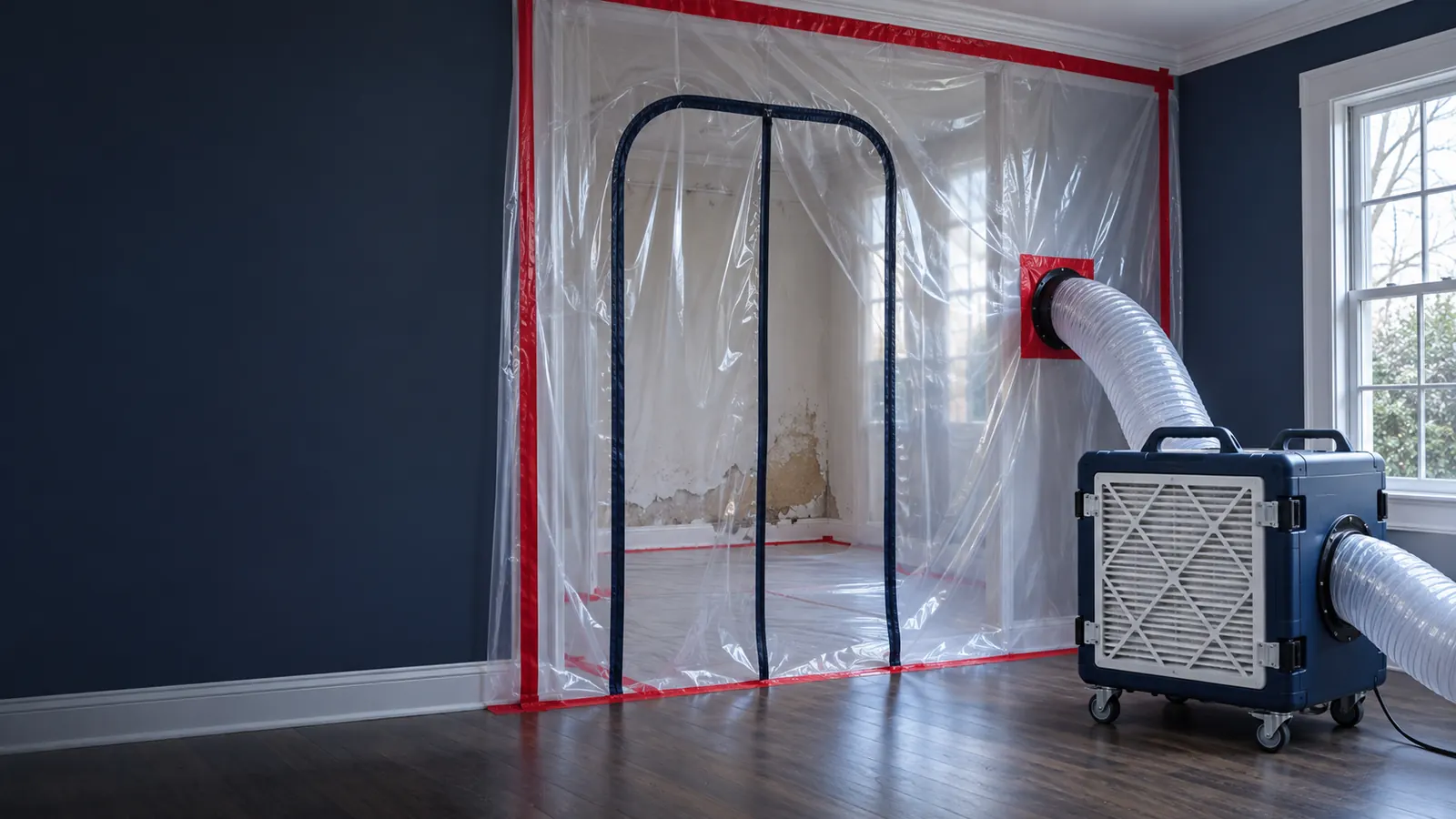
Ask whether the area can be cleaned, which materials may need removal, and how the moisture source will be controlled. Covering growth with paint or using a fragrance does not correct the water problem. A proposed scope should explain the work area, occupant separation and cleanup verification.
For a substantial problem, a sewage-related event or uncertainty about hidden conditions, ask about suitable professional assessment. In Texas, check the applicable licensing and assessment requirements for mold work rather than assuming any general cleanup provider can perform every part of the project.
Reference: Texas Department of Licensing and Regulation: Mold Program
Build a prevention check after repairs
Keep source-repair records and revisit the area after the next relevant event, such as rain or fixture use. Watch for renewed dampness rather than repeatedly cleaning a mark without understanding its cause. Report recurring condensation or HVAC drainage problems to the appropriate repair professional.
When a wall or floor has been opened, ask what evidence supports closing it. A prevention plan is more useful when it identifies a specific source, the person responsible for repair and what you should monitor afterward. Keep that information with the restoration paperwork.
Your homeowner checklist
- Record the leak history and source repair.
- Avoid disturbing suspected hidden growth.
- Ask how occupants and unaffected rooms will be protected.
- Check for recurring dampness after repairs.
Questions homeowners ask
Does black discoloration identify a particular mold?
No. Color alone does not establish the species, extent or exposure risk. Focus on moisture control and an appropriate assessment.
Can a dehumidifier solve a mold problem by itself?
Humidity control can support a moisture plan, but it does not by itself clean affected materials, correct a hidden leak or establish that remediation is complete.
General homeowner information, informed by the linked public guidance. On-site conditions, local authorities and the appropriate qualified professionals determine what is safe for your property.
More mold & moisture resources