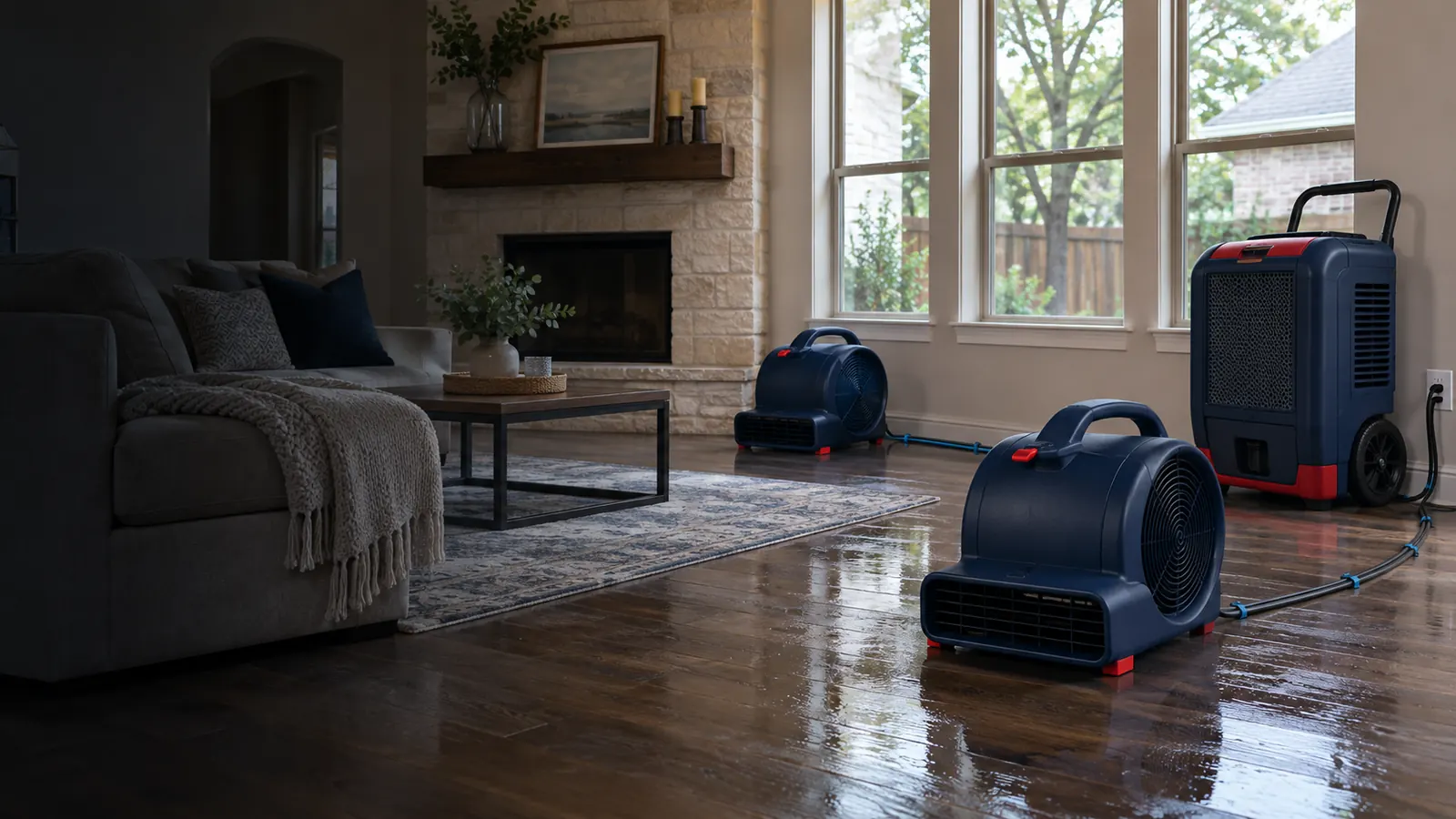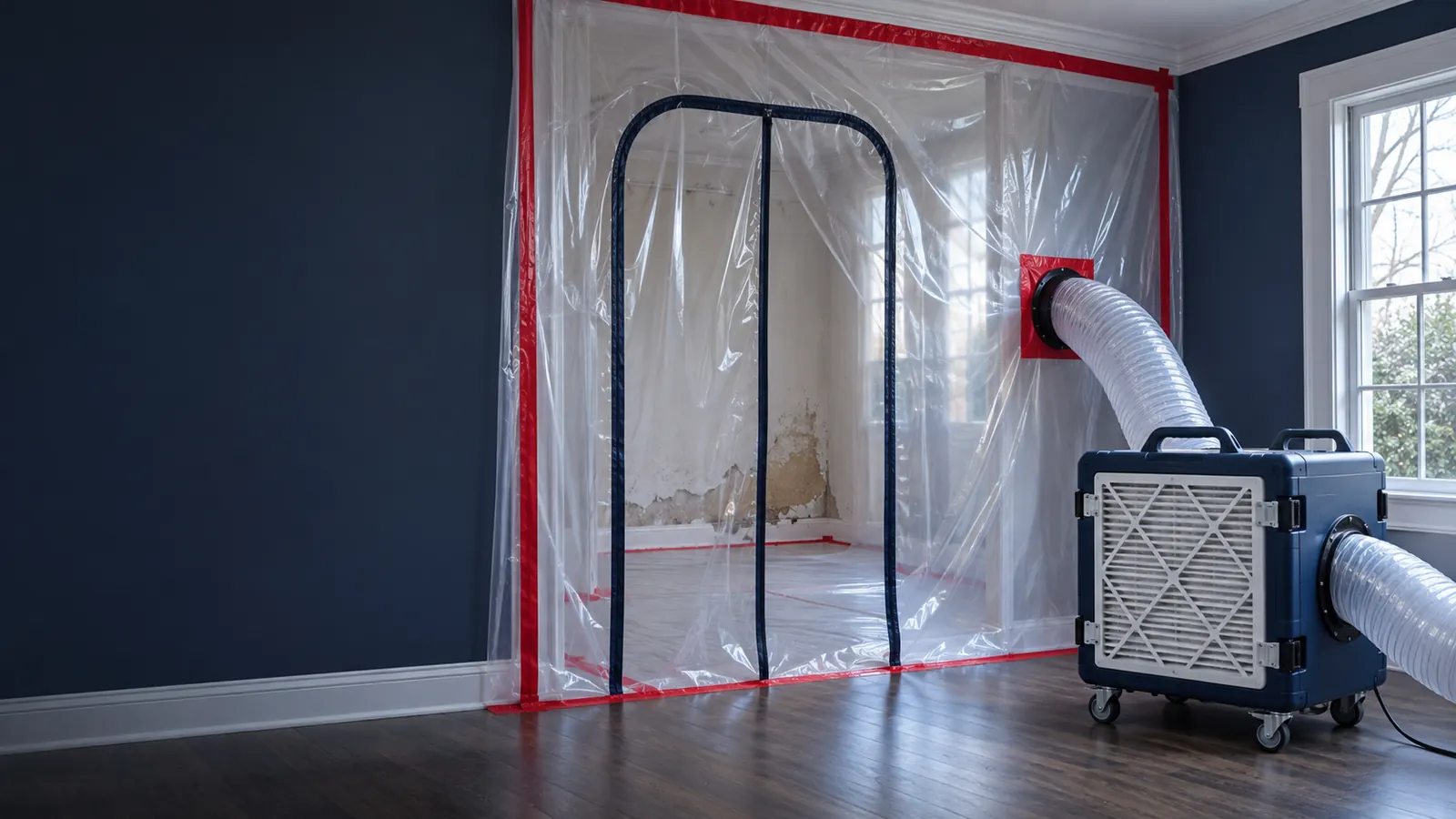
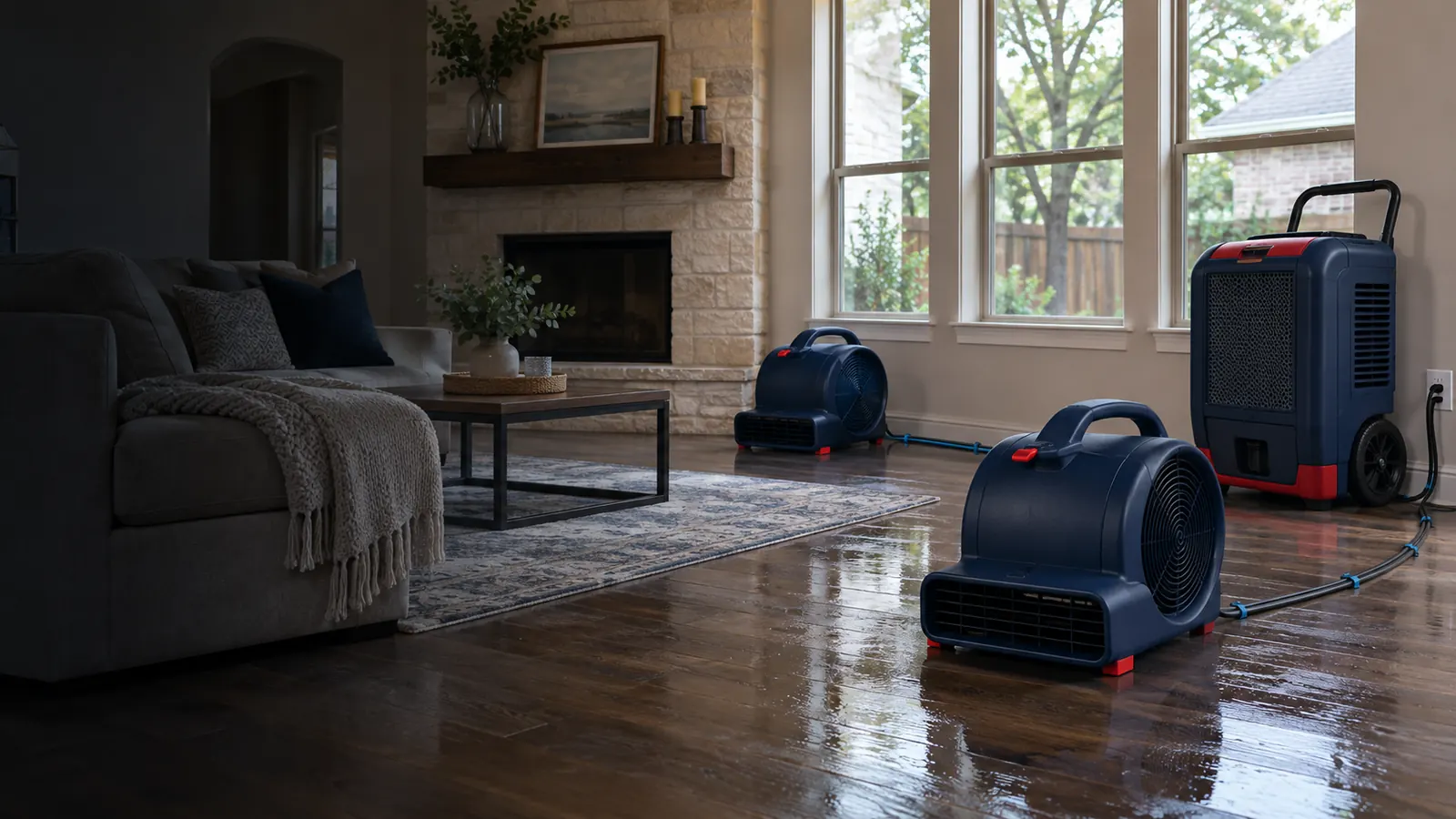
First, get people away from electrical, ceiling and contamination hazards. Stop the water only if the shutoff is safely reachable, then document the affected rooms and arrange an assessment. The first goal is to make the situation safe and prevent additional damage—not to start demolition or plug in equipment.
Start with a safety decision, not a mop
Look from a dry, safe position. Water near outlets, a wet breaker panel, a bulging ceiling or an unknown water source changes what you can safely do. Keep children and pets away. Do not step into standing water to reach an electrical switch. If there is immediate danger, leave and contact emergency services.
A restoration phone call does not replace an electrician, plumber or emergency responder. Tell the person you call about hazards before asking about cleanup. A photograph taken from a safe doorway can be more useful than entering a room to inspect it yourself.
Reference: CDC: Reentering Your Flooded Home
Control the cause and record what changed
For a supply-line leak, close the appropriate valve only if you already know its location and can reach it safely. If you rent, notify property management promptly. A plumber should diagnose and repair the failed line. For rain intrusion, avoid the roof and arrange safe exterior stabilization.
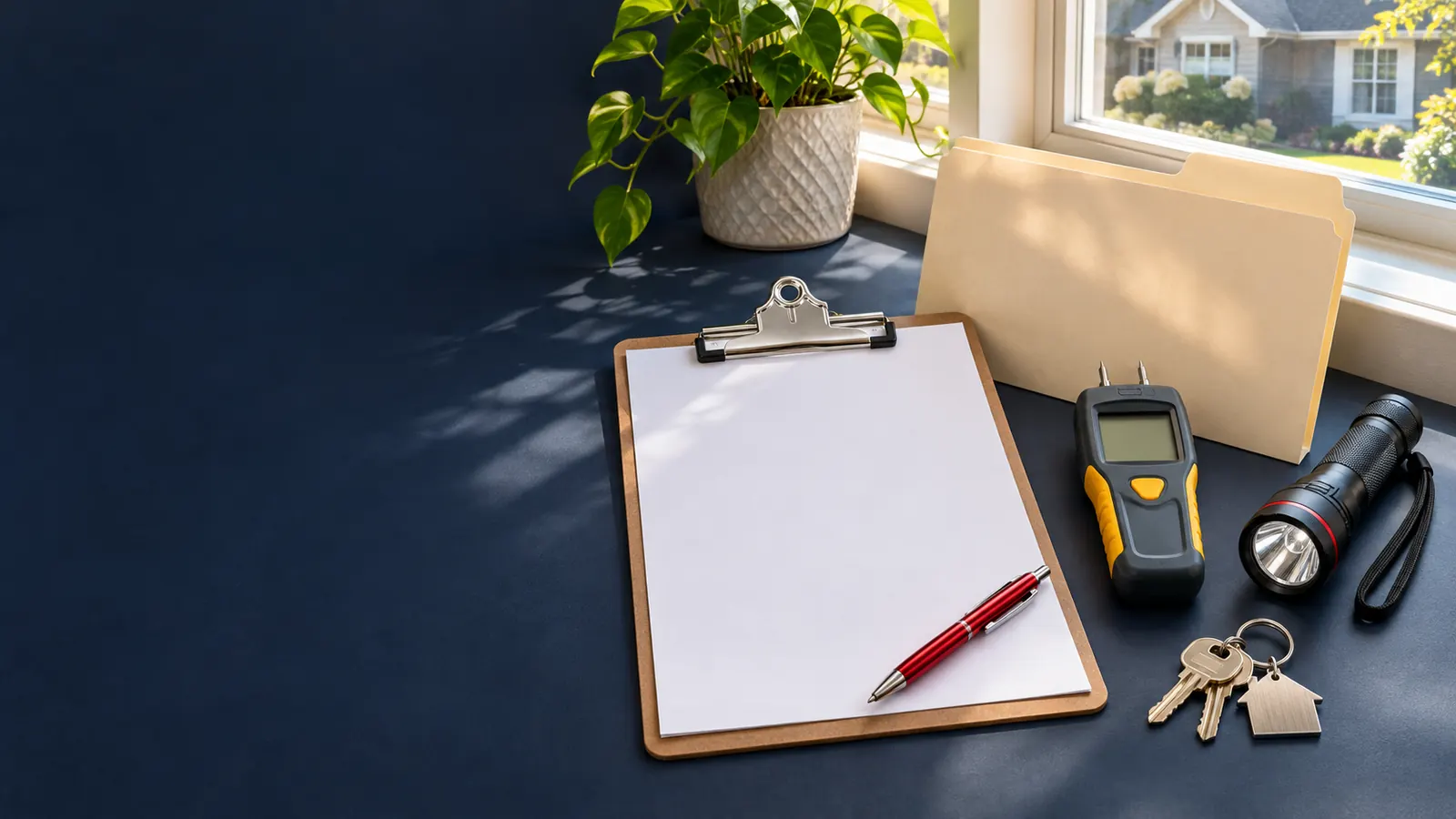
Write down when you discovered the problem, whether water is still entering, and which rooms are affected. Keep before-and-after photographs of any emergency steps you take. This timeline helps separate the plumbing or roof repair from the water cleanup scope.
Do not confuse a dry-looking floor with a dry building
Water can enter baseboard gaps, cabinets, underlayment and wall cavities. Towels remove surface water but cannot tell you what remains inside an assembly. Describe changes such as swollen trim, lifted flooring or a spreading ceiling stain when you ask for an assessment.
The EPA recommends addressing water-damaged materials promptly to reduce mold risk. That is an urgency signal, not a promise that every building can be fully dry in a day or two. Decisions about retaining or removing materials depend on condition, access and contamination.
Reference: EPA: Mold, Moisture and Your Home
Organize the next three conversations
Ask the repair professional how the original source will be corrected. Ask the restoration provider which areas need moisture checks and what cleanup is recommended. Ask your insurer how to report the loss and document reasonable emergency measures. These are related conversations, but each serves a different purpose.
Before approving work, request a written scope separating extraction, drying, removal, cleaning and reconstruction. Keep copies of authorizations and receipts. If a recommendation is unclear, ask which finding supports it and whether the scope may change after hidden areas are inspected.
Reference: Texas Department of Insurance: Home Insurance Guide
Your homeowner checklist
- Move people and pets away from wet or unstable areas.
- Record the source, discovery time and affected rooms.
- Save repair, cleanup and temporary-protection receipts.
- Ask how drying progress and completion will be documented.
Questions homeowners ask
Should I wait for the adjuster before stopping the leak?
Ask your insurer about policy duties, but do not leave an active hazard or uncontrolled leak unaddressed while waiting for a routine inspection. Take safe photos and retain records of reasonable emergency measures.
Can I use an ordinary vacuum?
Do not use a household vacuum for water removal. Wet electrical equipment and unknown contamination require a different assessment; avoid experimenting with powered equipment in a wet area.
General homeowner information, informed by the linked public guidance. On-site conditions, local authorities and the appropriate qualified professionals determine what is safe for your property.
More emergency homeowner guides resources