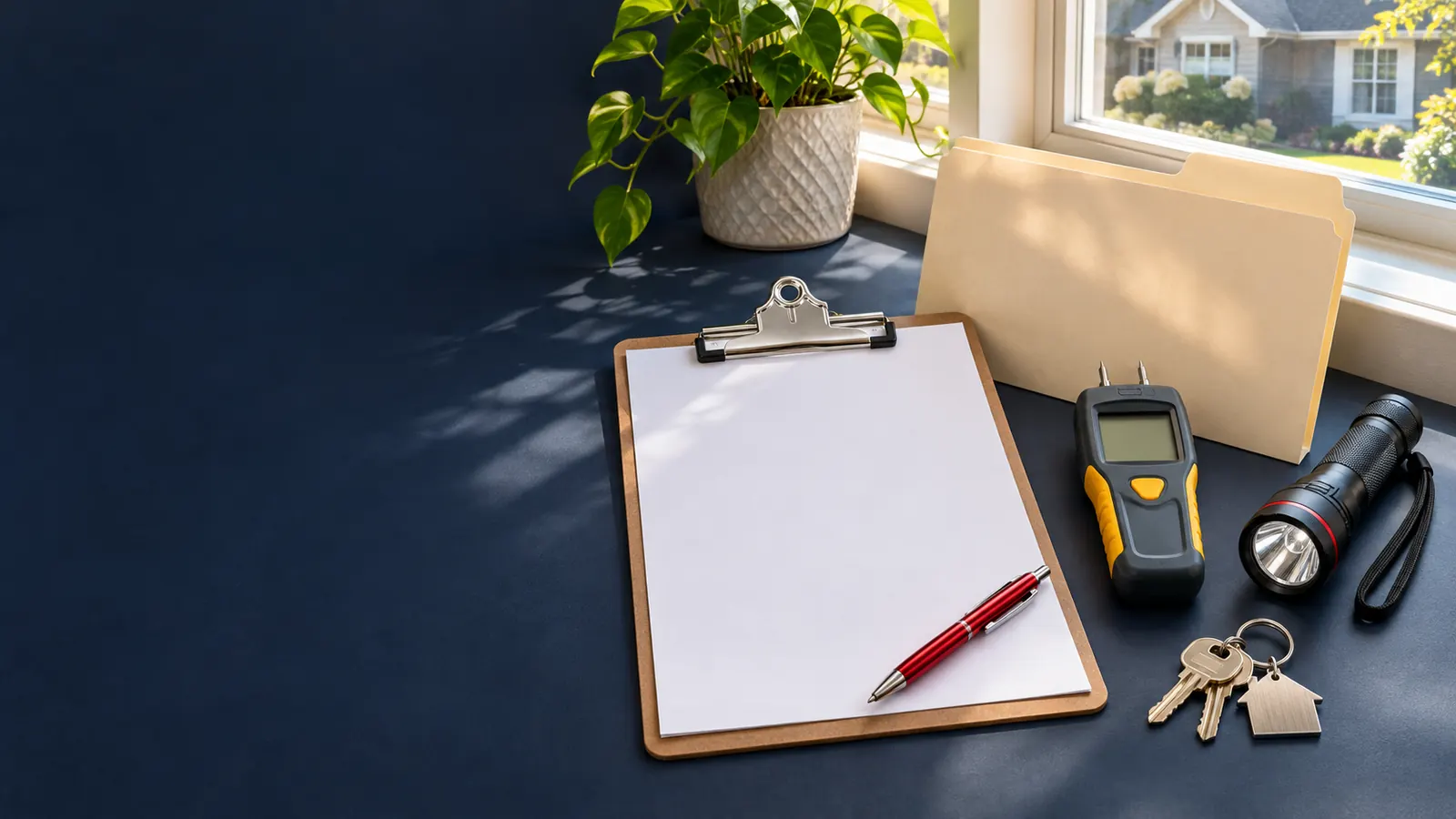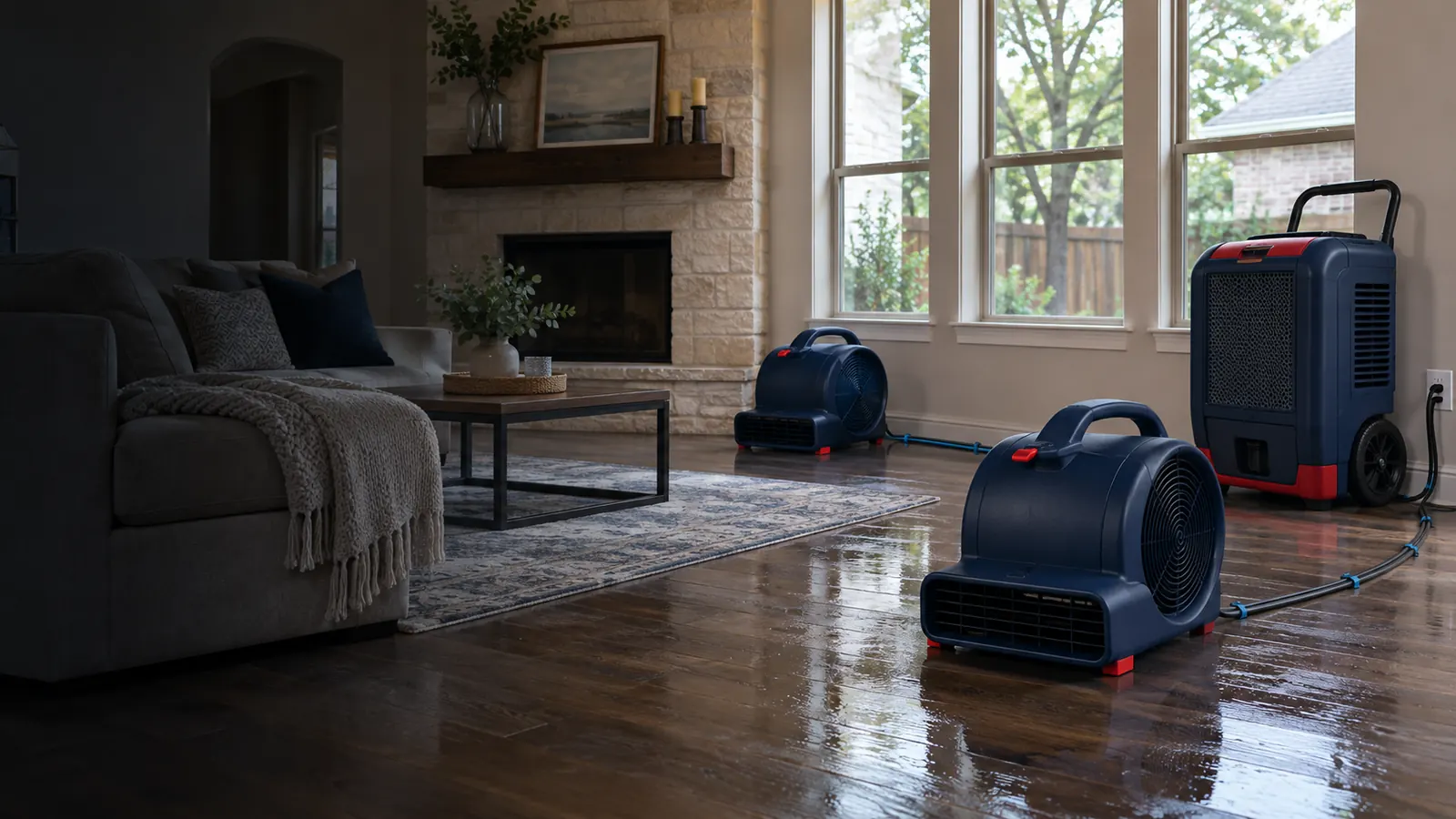
Build a clear record of what happened, what was damaged and what you did to prevent additional loss. Photographs, a short timeline, inventories, repair findings and receipts make the event easier to explain. Documentation supports a claim conversation; it does not guarantee coverage.
Capture a timeline that another person can follow
Record discovery time, the observed source, when the water stopped and who was contacted. If you do not know when a concealed leak began, say so rather than choosing a date that seems convenient. Keep a dated note of changes such as a new wet patch or an additional room found to be affected.
Photograph the source and affected areas only when safe. Wide room views show context, while closer views can record water lines or damaged materials. Do not enter a restricted, contaminated or electrically hazardous space solely to improve the record.
Reference: CDC: Reentering Your Flooded Home
Separate belongings from building materials
Create a room-by-room inventory of affected items and retain existing purchase records when available. Record identifying information from a safe position rather than moving heavy wet objects for a photograph. Ask the insurer what evidence is needed before disposal.
Keep notes about building materials such as flooring, cabinets or ceiling sections alongside the contents inventory, but distinguish them. Clear categories make it easier to understand which party is evaluating an appliance, a piece of furniture or part of the structure.
Save the work records behind the invoices
Request the plumbing or roof diagnosis, restoration scope, signed authorizations and available moisture records. Retain communications about changes and completion. An invoice says what was charged; inspection and work records help explain why a task was recommended.
Keep receipts for temporary protection or accommodation and ask whether the policy may apply. Avoid promising yourself reimbursement based only on a contractor’s assurance. Ask the insurer about required forms, submission methods and deadlines.
Reference: Texas Department of Insurance: Home Insurance Guide
Your homeowner checklist
- Create a dated timeline and safe room photographs.
- Build a separate contents inventory.
- Retain repair findings, scopes, authorizations and receipts.
- Use approved private channels for sensitive claim documents.
Questions homeowners ask
What if I did not photograph the room before cleanup?
Keep the records you do have, write down what happened while details are fresh and ask the involved providers for their inspection photographs or work records. Do not invent missing evidence.
Do photos guarantee the insurer will pay?
No. They help describe the event. The policy, cause, limits and claim decision still determine coverage.
General homeowner information, informed by the linked public guidance. On-site conditions, local authorities and the appropriate qualified professionals determine what is safe for your property.
More insurance & claims resources