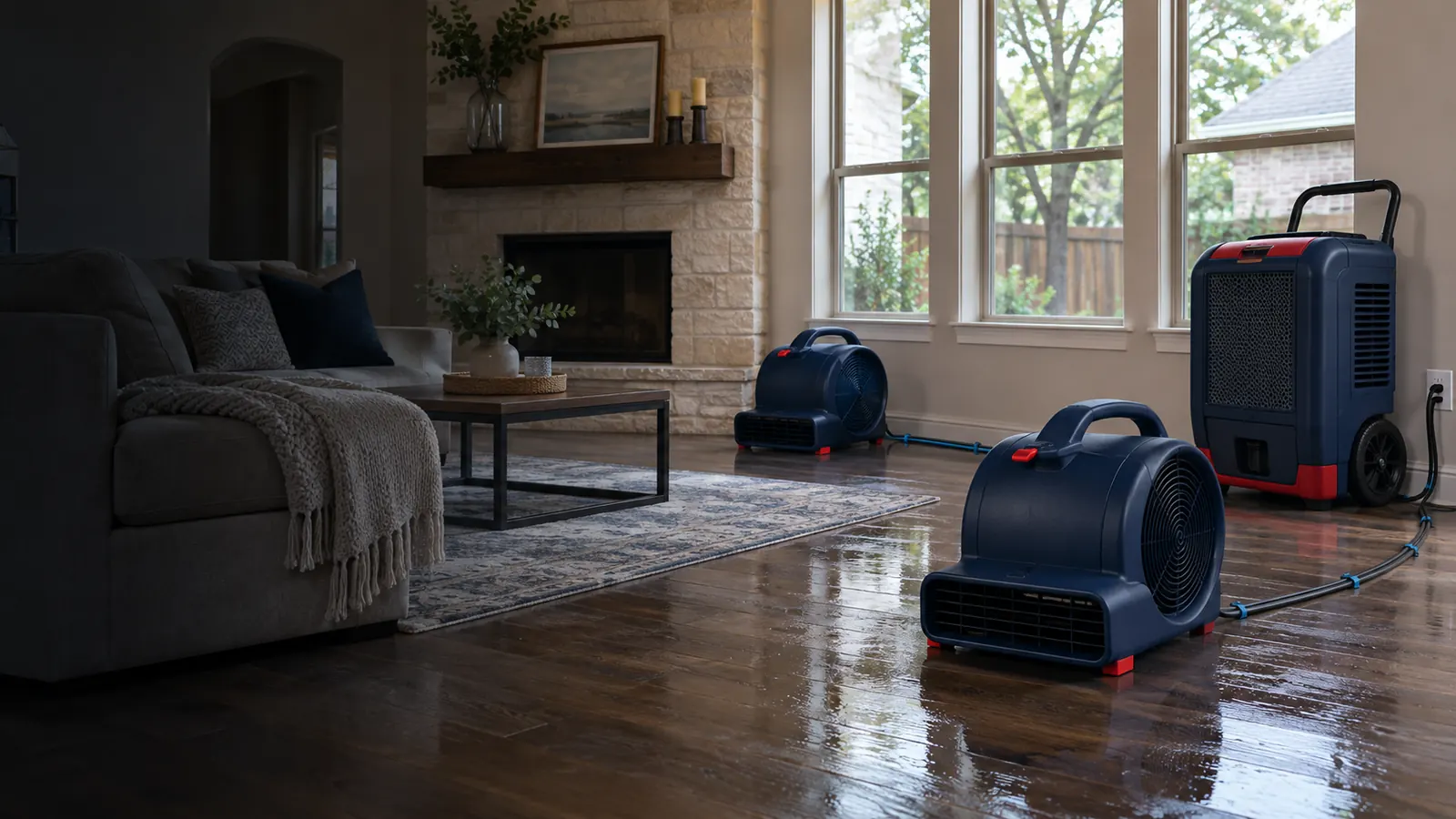
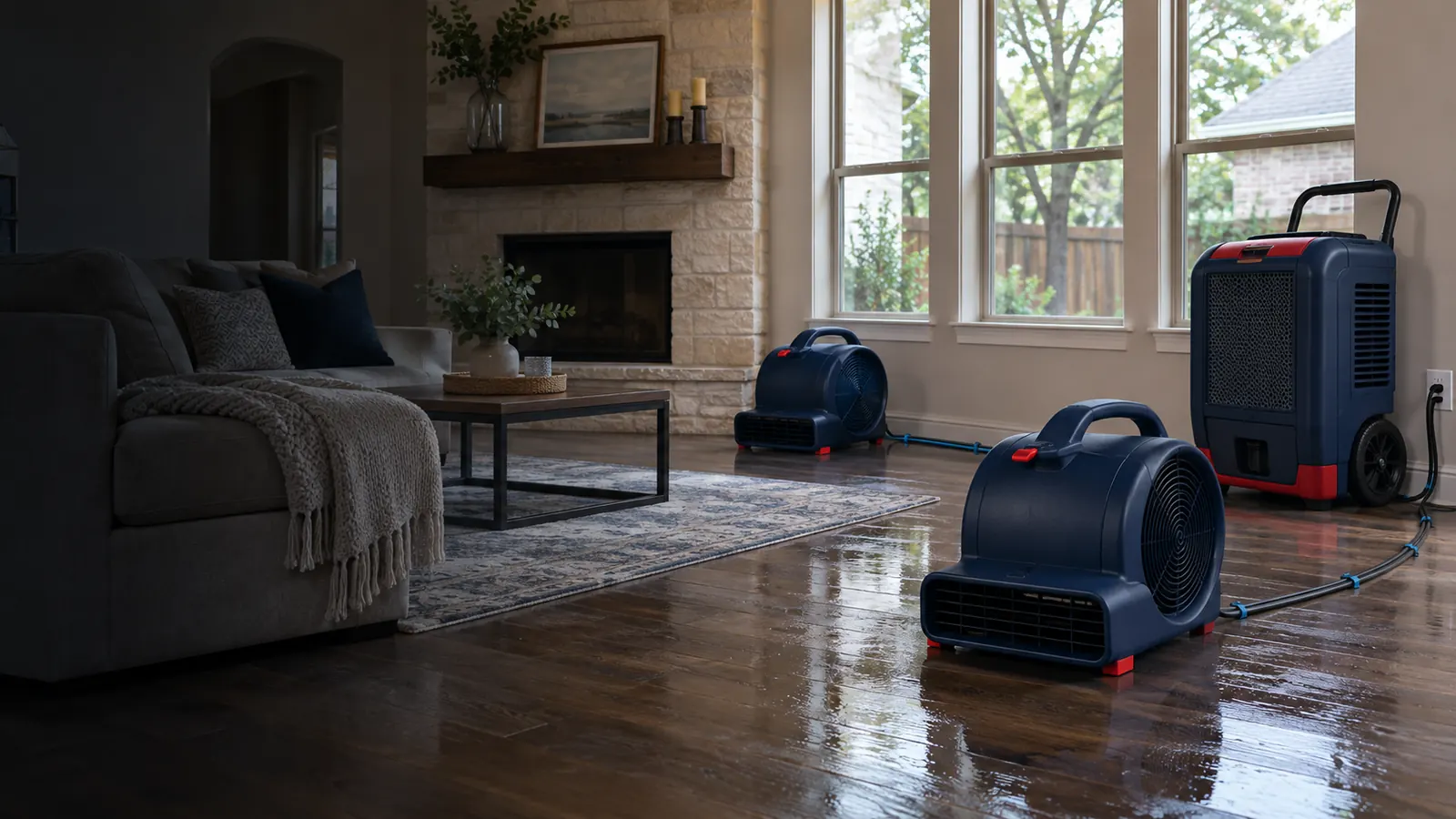
If a pipe bursts, get away from wet electrical areas and close the home water supply only when you can reach it safely. Arrange the plumbing repair, then assess the water that escaped. Repairing the line does not automatically dry the rooms, cabinets or subfloor it soaked.
Find a safe way to stop continued water release
Use the known main shutoff or an accessible fixture valve when conditions permit. Do not reach across a wet outlet or enter standing water to get to a control. If a shutoff cannot be reached safely, explain that when contacting the plumber or utility. Renters should also notify the property manager.
Avoid forcing a seized valve or investigating a ceiling cavity while water is entering. The immediate task is source control, not identifying every damaged fitting. Once a repair professional is on site, ask them to record where the failure occurred.
Reference: CDC: Reentering Your Flooded Home
Distinguish pipe repair from cleanup
A plumber diagnoses and repairs the plumbing fault. Water restoration deals with the escaped water and affected materials. Ask each provider to identify what is included so you do not assume a pipe-repair invoice also covers under-cabinet drying or wet insulation.
In a laundry area, water may travel behind machines and through a doorway. In an upstairs bathroom, the affected area may include the ceiling below. Tell the restoration provider about connected spaces, even if only one room has obvious standing water.
Record the damage before details disappear
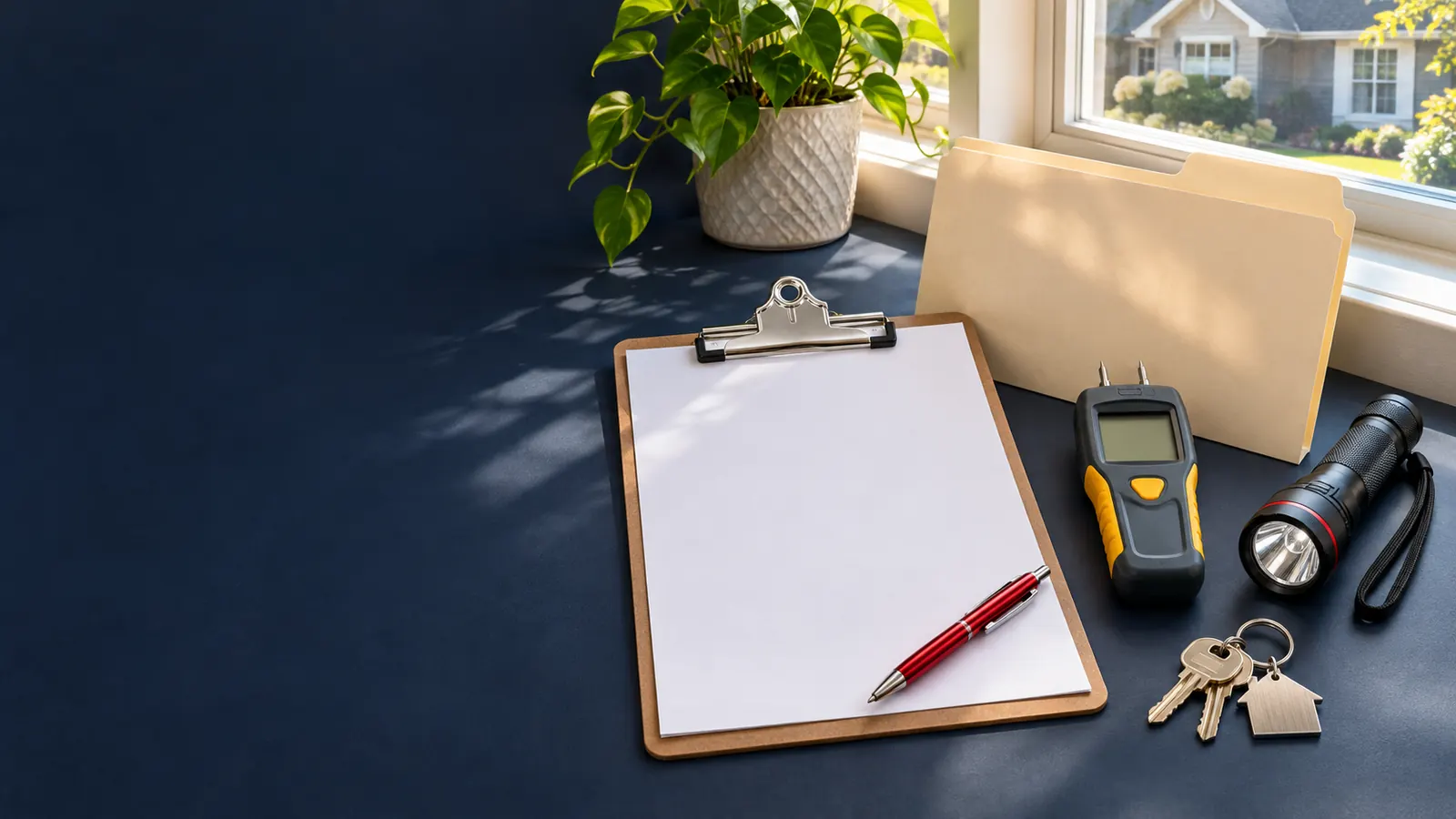
From safe positions, photograph the failed connection, wet surfaces and the rooms that water reached. Write down discovery time, shutoff time and any steps taken before the repair visit. Keep repair findings, authorizations and receipts together. Do not put yourself at risk to retrieve a broken part.
Ask the insurer whether it wants a failed component retained and what records are needed before disposal. Sudden pipe failures and ongoing leaks can receive different policy treatment; the actual contract and cause of loss govern the decision.
Reference: Texas Department of Insurance: Water Damage and Mold Coverage
Plan the dry-out before putting the room back
Wet toe-kicks, baseboards and flooring can conceal water. Ask how the affected area will be evaluated and how the scope deals with materials that cannot reasonably be dried in place. Do not repaint a stain or reinstall trim simply because the surface no longer feels damp.
Before approving reconstruction, confirm that the supply system has been checked by the appropriate repair professional and request the moisture completion record. If water returns after the system is repressurized, stop and report the new leak rather than treating it as leftover cleanup water.
Keep a concealed floor-level leak in the plumbing investigation
When the apparent leak is beneath flooring rather than at an exposed fitting, do not open the slab or assign a foundation cause yourself. The slab-leak and foundation guide explains why a plumber should identify the source before a separate foundation repair is discussed. Water-use and moisture observations are clues, not a leak location.
Continue arranging water damage restoration for affected rooms when access is safe. Ask the plumbing provider for its repair findings and the restoration provider for moisture completion records; neither scope automatically includes the other.
Your homeowner checklist
- Stop the source only from a safe position.
- Notify the plumber and, when applicable, property management.
- Describe adjacent rooms and the floor below the leak.
- Keep plumbing and restoration records together.
Questions homeowners ask
Should I turn off the water to the entire house?
A fixture valve may be sufficient for a safely accessible local failure. If the source is unclear or cannot be isolated, an accessible main shutoff may be needed. Do not force a valve or enter a hazardous area to reach it.
Does the burst-pipe service include plumbing repairs?
Ask for a written scope. Diagnosing and repairing a water line requires the appropriate plumbing professional; water removal and drying are separate restoration tasks.
General homeowner information, informed by the linked public guidance. On-site conditions, local authorities and the appropriate qualified professionals determine what is safe for your property.
More emergency homeowner guides resources