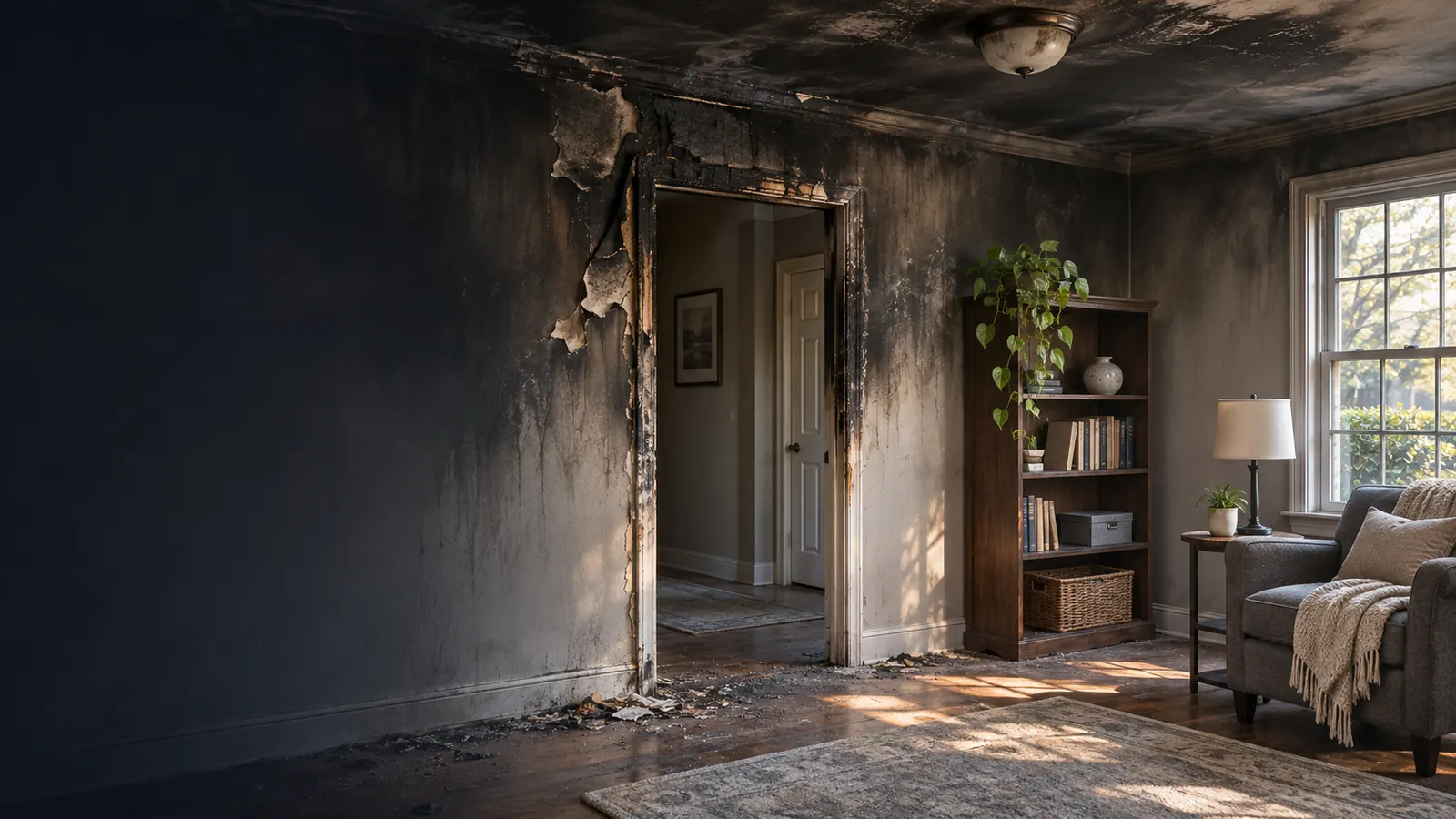
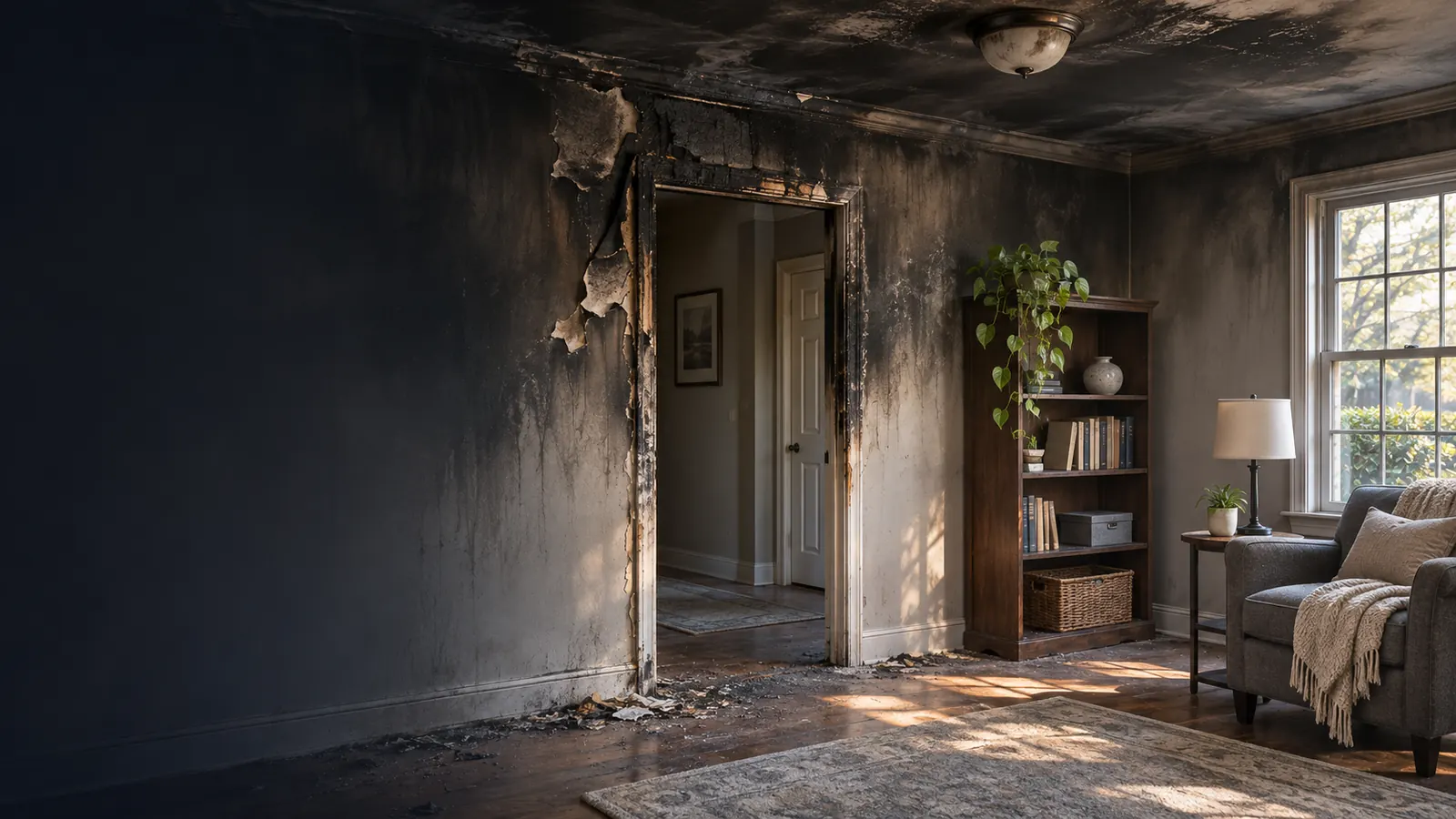
After a house fire, stay out until the fire department or appropriate authority says entry is safe. Arrange immediate shelter and essential needs, notify your insurer, and document damage only when safe. Fire recovery can involve structural hazards, smoke residues and water used during firefighting—not just the room where flames were visible.
Wait for clearance and ask about remaining restrictions
Do not re-enter to retrieve a phone, document or pet without the responders’ direction. Ask which areas, utilities and entrances remain restricted. A fire being extinguished does not mean damaged ceilings, wiring or floors are safe for normal use.
Write down the responding agency and how to obtain an incident report. The U.S. Fire Administration provides a recovery guide covering the first day, insurance considerations and replacing documents. Use those resources to organize the process rather than trying to solve every restoration decision at once.
Reference: U.S. Fire Administration: After a Home Fire
Handle immediate living needs before sorting belongings
Confirm where household members and pets can stay. Tell your insurer or agent about displacement and ask what information is needed for any applicable additional-living-expense coverage. Keep receipts without assuming every expense will be reimbursed.
Make a short list of essential prescriptions, identification, school or work items and emergency contacts. Ask the appropriate provider how to replace an inaccessible essential rather than entering a restricted room. If you rent, notify the property manager and ask who will coordinate access and building repairs.
Document the loss without disturbing residues
Once entry is permitted, take photographs from approved areas and list affected belongings. Avoid wiping soot across walls or using household cleaning products on unfamiliar residues. Do not use electrical appliances that were exposed to fire or water until the appropriate professional has assessed them.
The cleanup scope may need to account for smoke in connected rooms, fire-suppression water and damaged contents. Ask which findings support cleaning, removal or specialist evaluation. Keep the insurer’s instructions and the contractor’s scope together so disposal decisions are recorded before items leave the property.
Reference: EPA: Flooded Homes Cleanup Guidance
Plan recovery in separate work packages
Ask who is responsible for securing openings, correcting unsafe utilities, assessing structural damage, cleaning residues and rebuilding. A single service label does not establish that every trade is included. Discuss access restrictions and occupant separation before work begins.
When comparing proposals, look for a defined scope, exclusions, documentation and a process for changes. Avoid approving a blanket guarantee that all smoke odor will disappear before the affected materials have been assessed. Keep a running list of questions for the adjuster and restoration provider.
Reference: Texas Department of Insurance: Home Insurance Guide
Your homeowner checklist
- Follow the fire department’s entry restrictions.
- Arrange safe temporary accommodation and essential needs.
- Request the incident-report process and insurer instructions.
- Record belongings before authorized disposal or cleaning.
Questions homeowners ask
Can I enter once the flames are out?
Only after the appropriate authority clears entry and explains any remaining restrictions. Extinguishment alone does not establish structural or electrical safety.
Does fire cleanup include water damage?
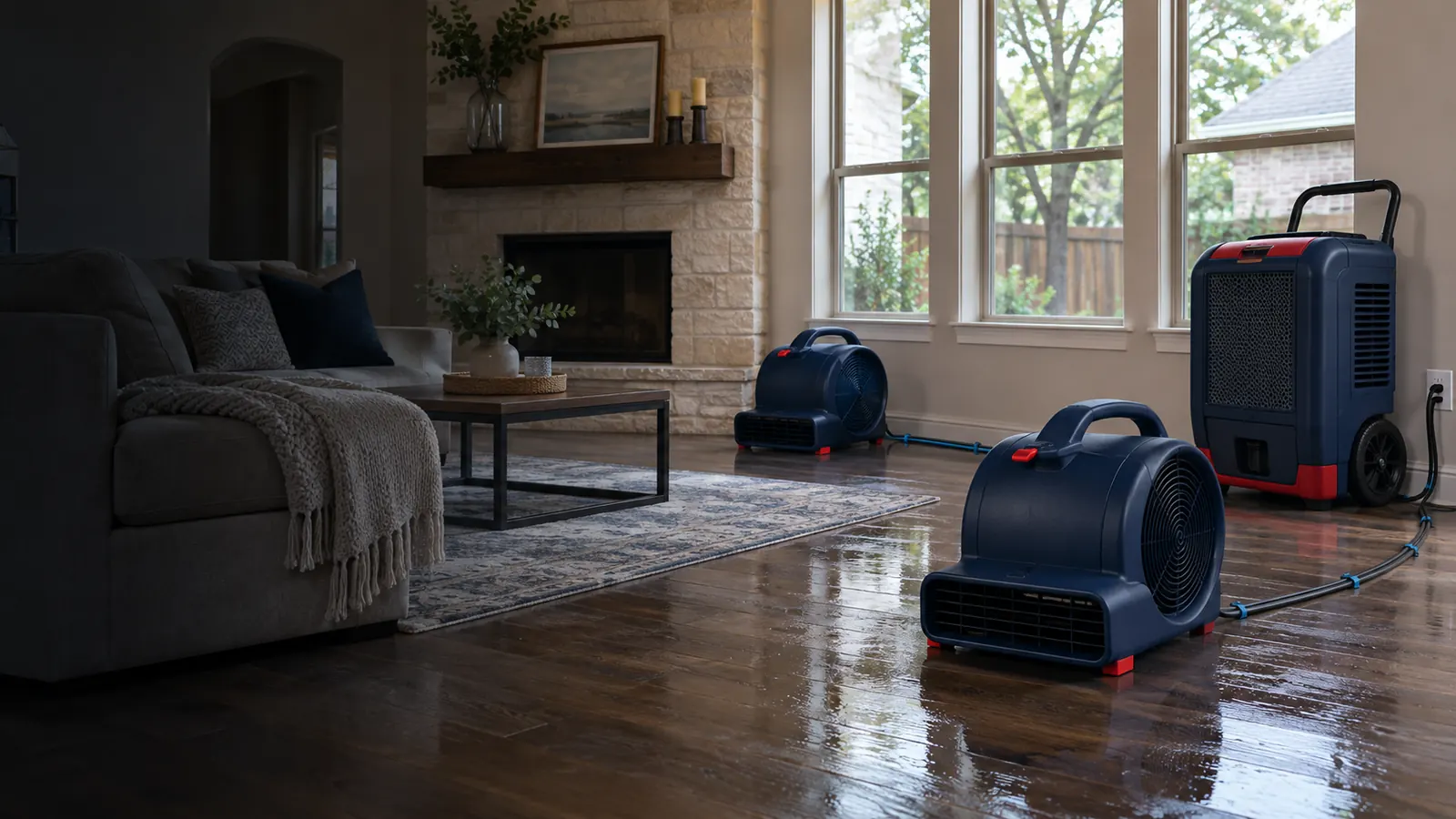
Firefighting water can create a separate moisture problem. Ask whether extraction, drying and affected-material evaluation are included in the proposed scope.
General homeowner information, informed by the linked public guidance. On-site conditions, local authorities and the appropriate qualified professionals determine what is safe for your property.
More fire & smoke damage resources