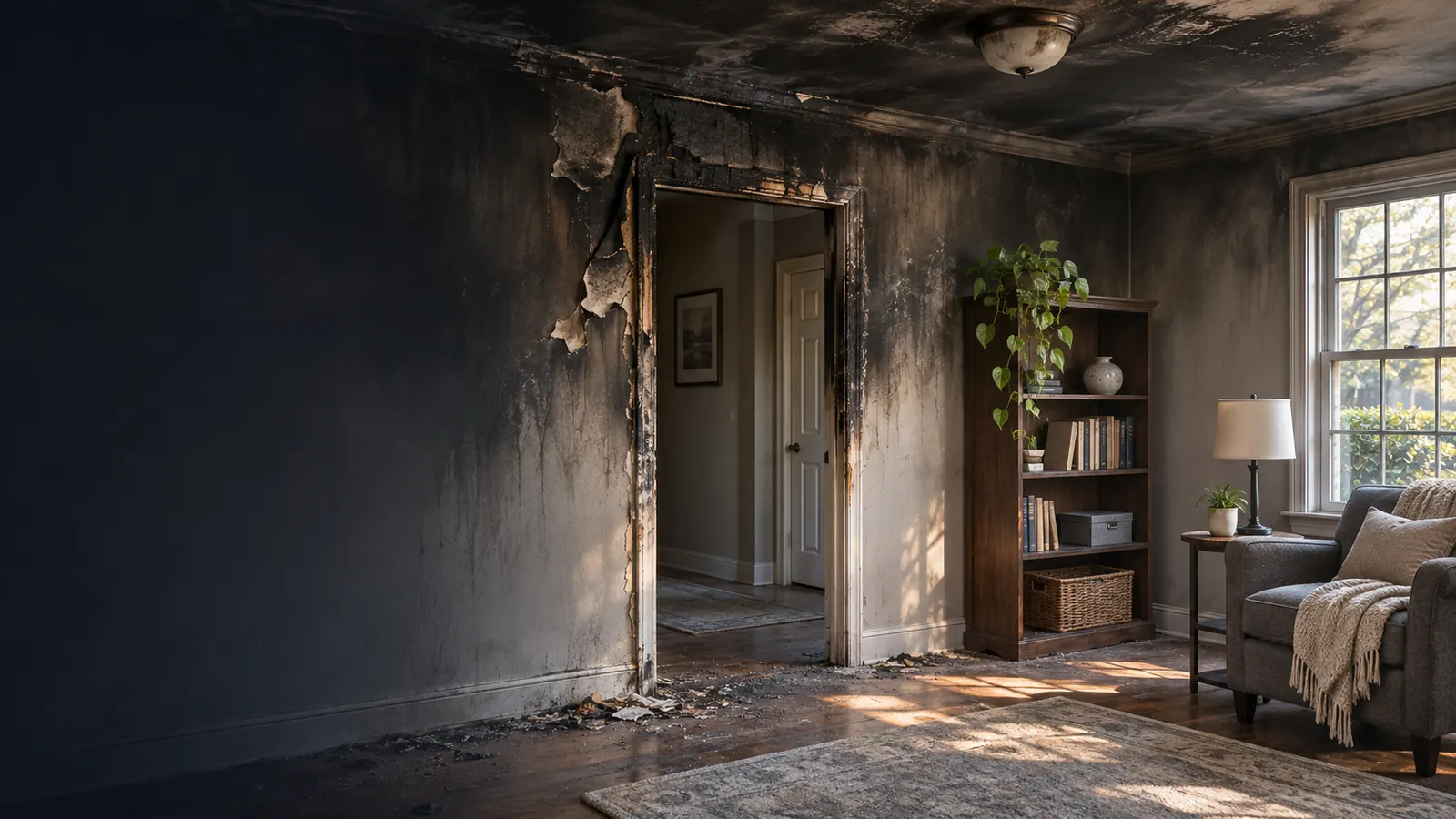
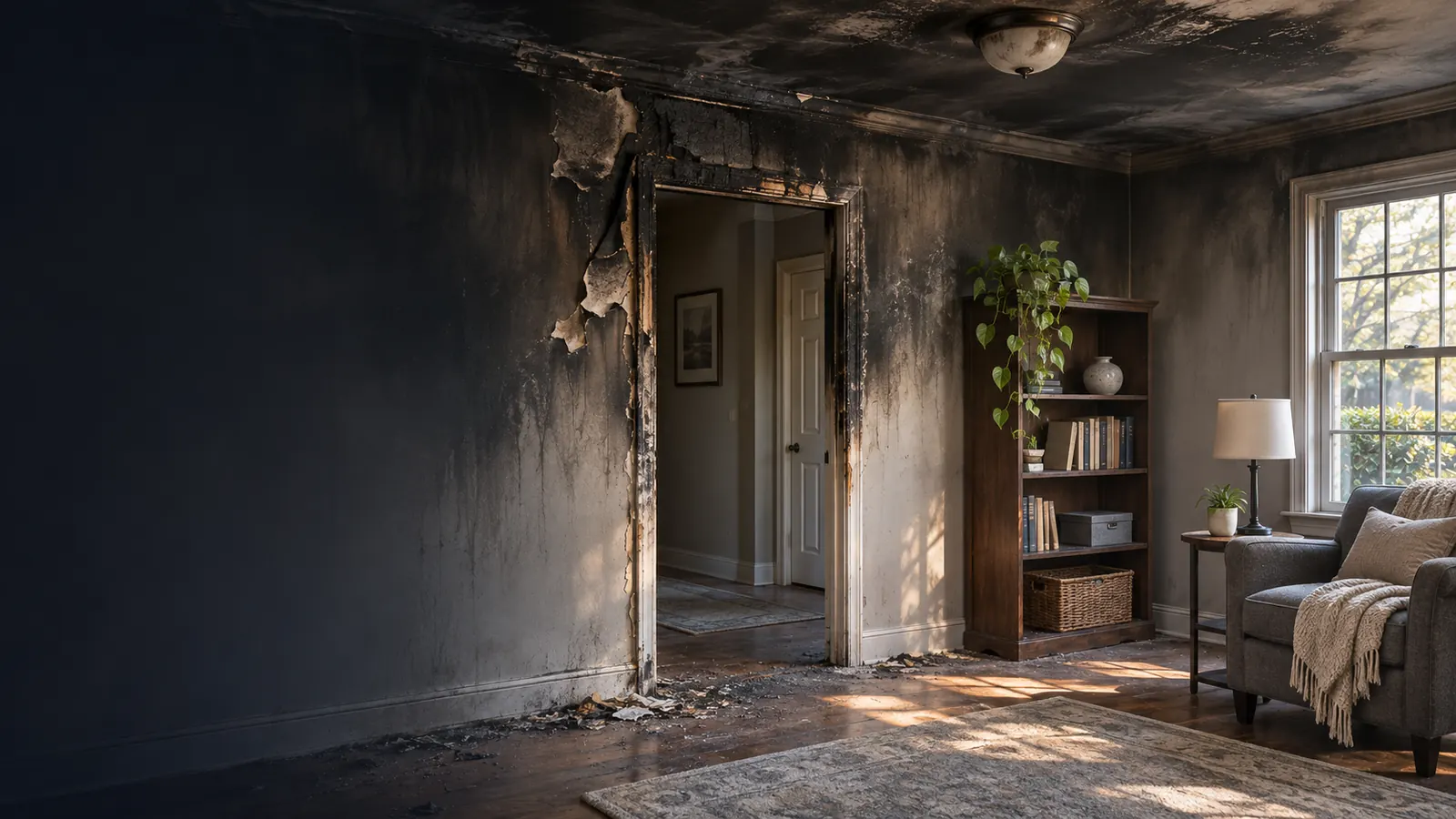
Smoke is the mixture produced by combustion; soot is a particulate residue that can settle on surfaces. A building can have deposited residue, persistent odor, or both. The practical question is which materials and connected spaces were affected and what can be safely cleaned, retained or removed.
Use the terms to describe what you notice
Record where you can see dark residue, where an odor is noticeable and which doors or ventilation systems connect affected rooms. Do not assume a clean-looking room was untouched, but do not assume every object in the house must be discarded either. The assessment should establish the actual scope.
Take photographs before cleaning when entry is permitted. Note whether a mark appeared after the fire or was already present. This distinction is useful when contractors and the insurer compare findings across rooms.
Avoid spreading residue during a first inspection
Do not rub an affected wall to test how easily a stain comes off. Moving furnishings or operating a potentially affected ventilation system can complicate the assessment. Ask the restoration provider what should remain undisturbed until the initial inspection.
Re-entry and utility safety come first. The U.S. Fire Administration’s after-fire guidance is a useful starting point for organizing access, belongings and records. Its advice should be read alongside the directions provided by the responders at your own property.
Reference: U.S. Fire Administration: After a Home Fire
Ask for a material-by-material plan
Painted drywall, unfinished wood, textiles and electronics may require different decisions. A scope should identify what will be evaluated or cleaned and which items need specialist review. Ask how test-cleaning results or inspection findings influence recommendations.
Odor treatment should be connected to a plan for the affected materials, not offered as a substitute for explaining them. Avoid DIY treatments involving aggressive chemicals or odor-generating equipment in occupied rooms. Discuss occupant access and any required precautions before work begins.
Separate visible appearance from completion
A room can look better before all recovery decisions are complete. Ask how the provider will document the work, review remaining concerns and handle items that do not respond as expected. Reconstruction and repainting may be separate from residue cleaning.
Keep inventories and written decisions about salvage or disposal. If a room still has an unexplained odor after work, record where and when it is noticed and ask for follow-up evaluation. Do not assume a fragrance or fresh paint proves the underlying issue is resolved.
Reference: Texas Department of Insurance: Home Insurance Guide
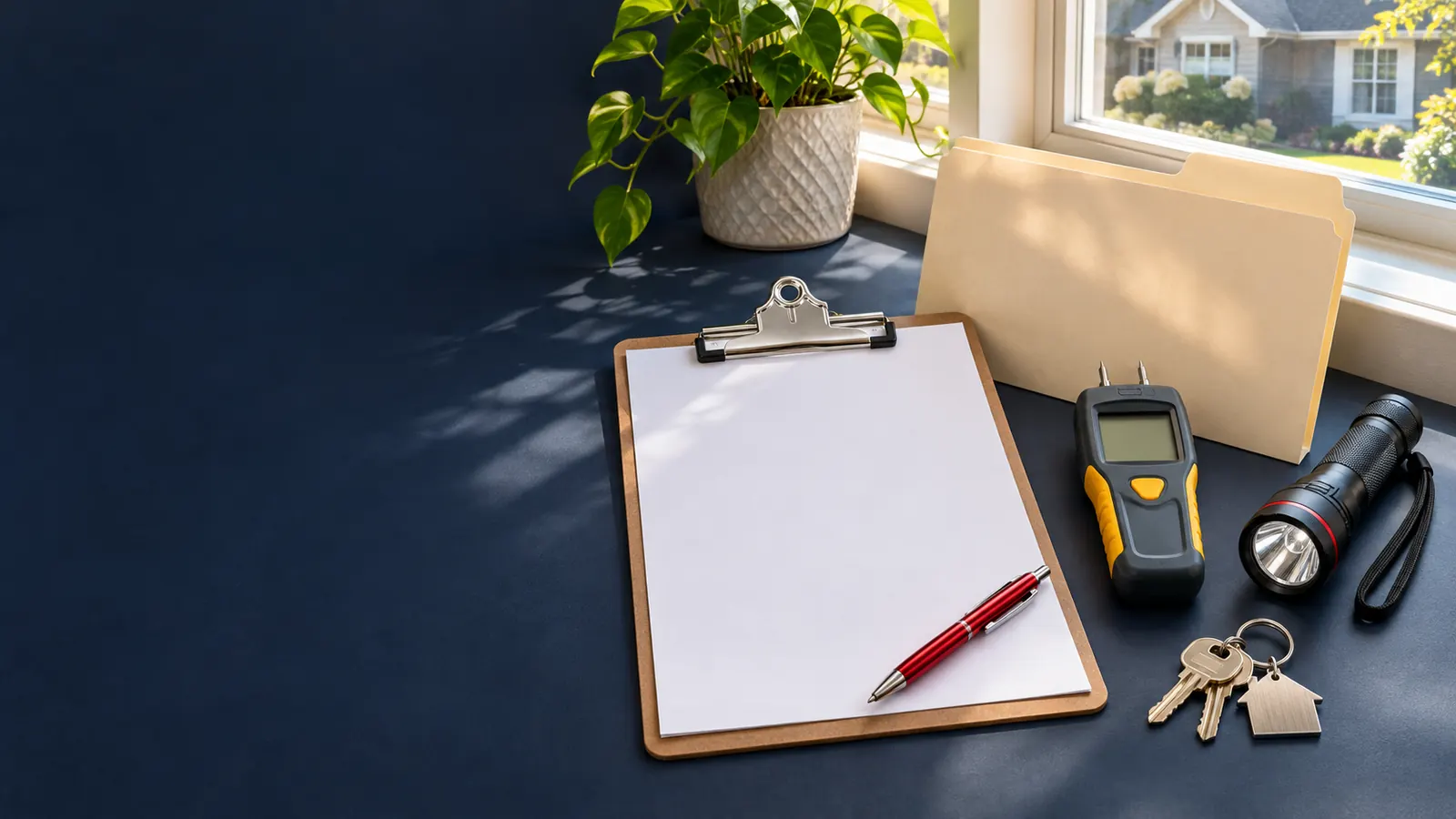
Your homeowner checklist
- Photograph visible residue only from cleared areas.
- List odor concerns separately from visible staining.
- Ask which belongings need specialist evaluation.
- Keep salvage, disposal and cleanup decisions in writing.
Questions homeowners ask
Is soot just ordinary dust?
Do not treat unknown fire residue as normal household dust. The materials burned and the affected surfaces influence the appropriate cleanup precautions.
Can odor exist where I cannot see soot?
A room may have odor concerns without an obvious visible deposit. Report both observations and ask how connected spaces and materials will be assessed.
General homeowner information, informed by the linked public guidance. On-site conditions, local authorities and the appropriate qualified professionals determine what is safe for your property.
More fire & smoke damage resources