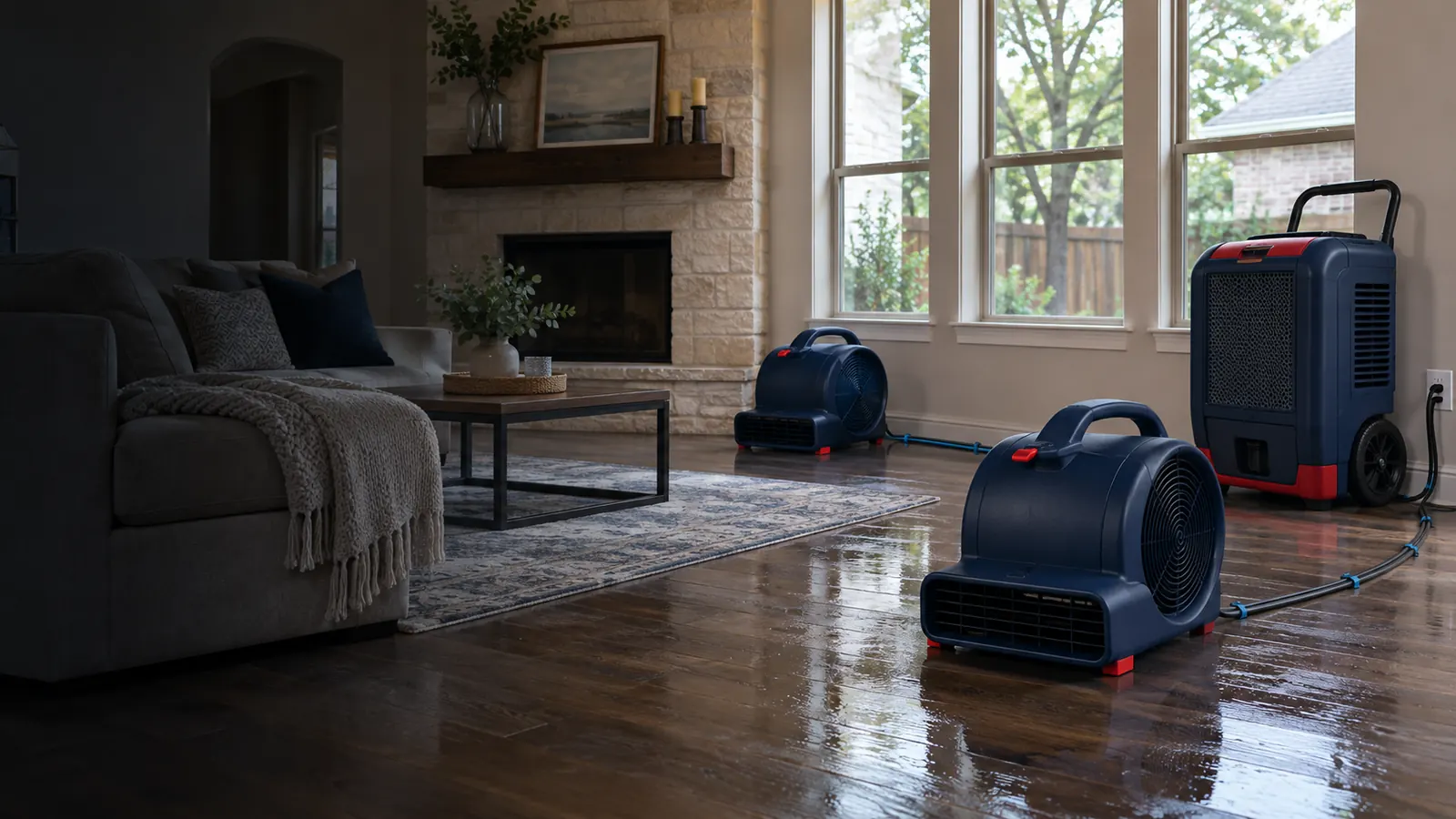
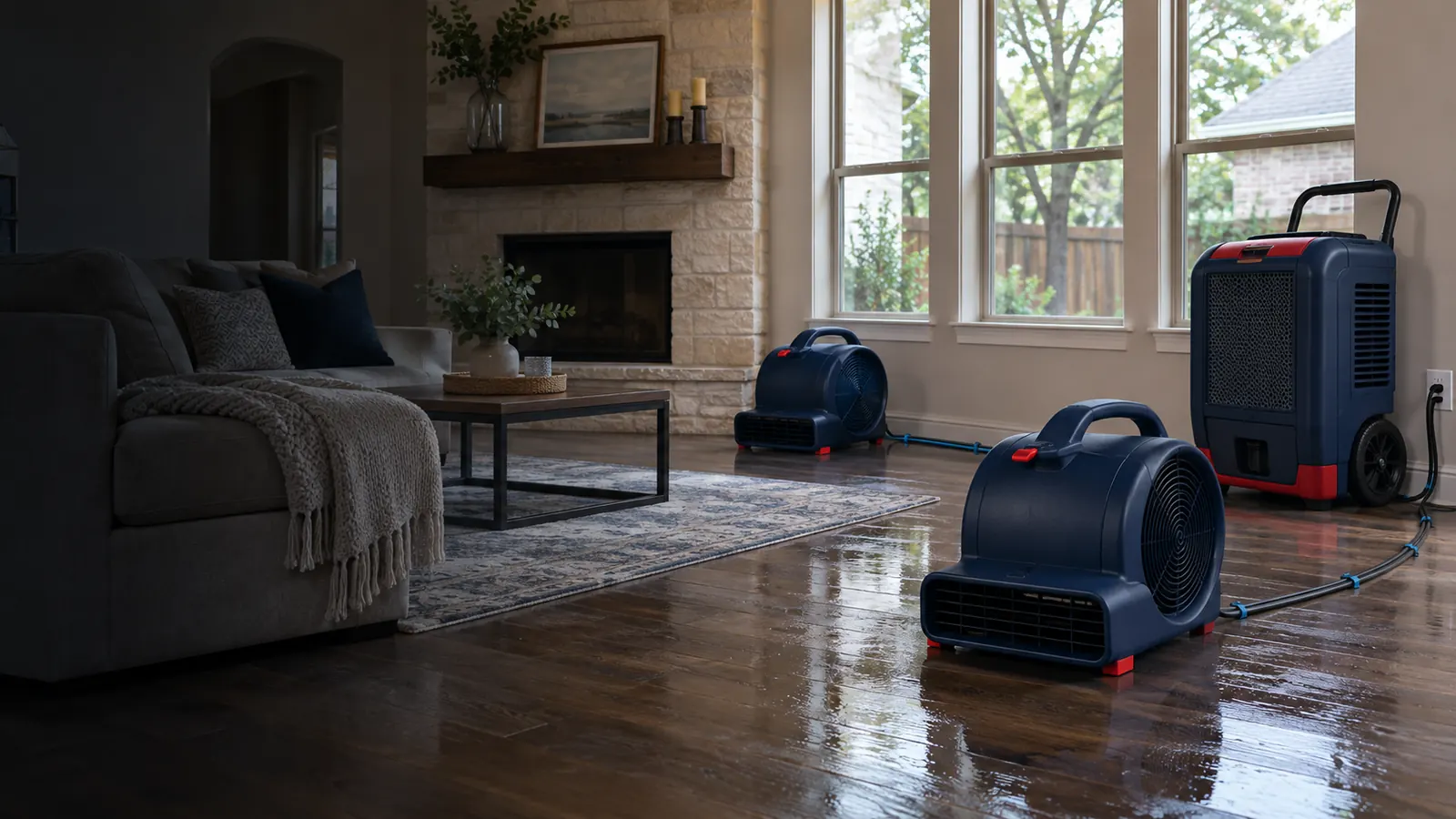
For a wet room in Dallas, start by identifying the observed water source and the spaces it reached. Plumbing, appliances, HVAC drainage and rain intrusion call for different repair trades. This guide helps you separate a supply-line loss from roof intrusion and drainage problems. It does not claim that a particular neighborhood has suffered a specific flood or that one cause applies to every home.
Tell the assessor which building layers may be involved
In a home with layered flooring, cabinetry or a converted space, the visible surface may not show the full water path. Describe earlier renovations and any known floor or wall changes. Do not assume that an older-looking finish is hazardous—or that a newer one can be removed without checking.
For properties around Lakewood, Oak Cliff or Lake Highlands, use the address to locate the work, not as a substitute for a diagnosis. Ask whether the proposed inspection includes adjoining rooms and the area below the leak.
Keep outside drainage observations distinct from roof damage
Record whether water crossed the ground-level threshold, appeared beneath a window or traveled through a ceiling. Photograph the water line only when safe. A roofer and a drainage professional may be answering different questions, and the interior restoration scope should reflect the actual entry route.
Do not enter unknown outside water or a flooded street to gather evidence. Follow official warnings. Tell the insurer the observed source rather than using the word flood for every event; coverage decisions depend on policy terms and the cause.
If changing gaps, sticking doors or other building concerns remain after the source and wet materials have been assessed, consider a property-specific foundation inspection through TX Foundation Pros or another appropriately qualified provider. Ask whether the visit supplies contractor observations and repair options or independent engineering analysis; those are different engagements.
For unexplained floor-level wetness, start with plumbing diagnosis rather than a foundation-repair assumption. Our below-slab leak guide separates those work scopes, while the post-water-damage crack checklist explains what to record before covering a changed finish.
Reference: CDC: Floodwater Safety
Use one record to coordinate several providers
Create a short room list with discovery time, observed source and the person responsible for each next step. Keep plumbing, roof or drainage repair findings alongside the restoration assessment. That record helps avoid a gap between stopping the source and addressing the wet building.
Ask for a documented basis before closing walls or covering floors. If a stain returns after the next rain or fixture use, note the timing and contact the relevant repair provider. Do not assume recurrence is simply a mark left from the original loss.
Reference: Texas Department of Insurance: Home Insurance Guide
Your homeowner checklist
- Record the source, timing and connected rooms.
- Ask the appropriate repair trade for a diagnosis.
- Keep away from wet electrical areas and unstable ceilings.
- Request a moisture completion record before finish repairs.
Questions homeowners ask
Is one water damage cause typical of every Dallas home?
No. Construction, maintenance history, plumbing layout and current conditions vary. A local label should not replace property-specific assessment.
Can a small leak affect another room?
Yes, water can travel through connected assemblies. Tell the assessor about adjacent rooms and any new stains or flooring changes.
General homeowner information, informed by the linked public guidance. On-site conditions, local authorities and the appropriate qualified professionals determine what is safe for your property.
More water damage resources